

Living With Crohn’s While Asking Why
When symptoms crash into everyday life, it is natural to ask what sits behind them. Understanding Crohn’s disease risk factors helps turn worry into something more workable. You cannot control everything, yet small informed choices can make a real difference to comfort, confidence, and conversations with your care team.
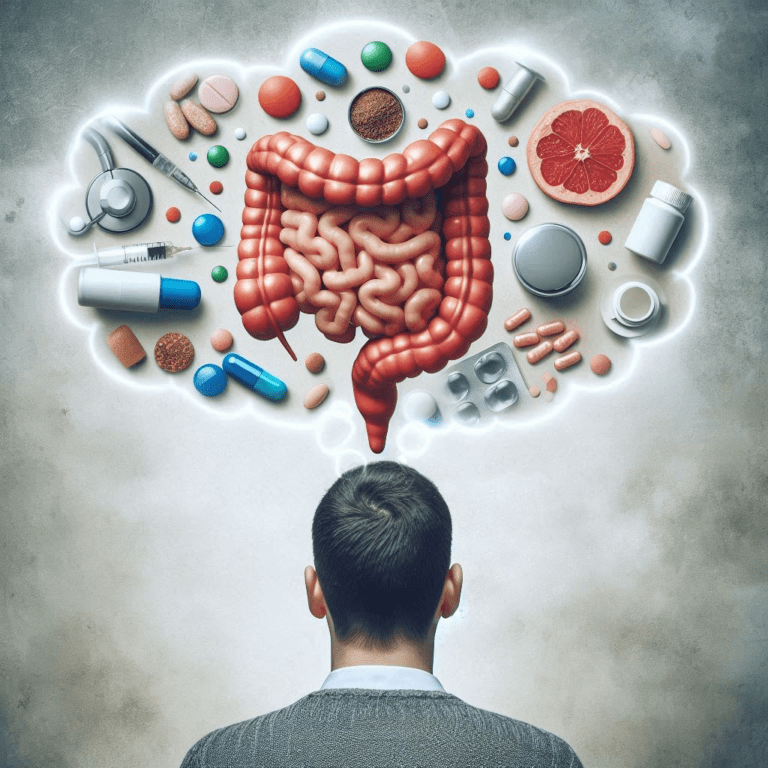
It is frustrating that there is no single cause to point at. That uncertainty can feel personal, as if you did something wrong. You did not. Crohn’s is driven by a tangle of genetics, immune responses, the gut microbiome, and environmental exposures. Knowing this brings a quieter kind of control, the sort that lets you focus on what is changeable.
In this guide we look at the causes of Crohn’s disease as researchers currently understand them, the everyday factors that can raise risk, and practical ways to live well while science keeps moving.
What Are The Causes Of Crohn’s Disease
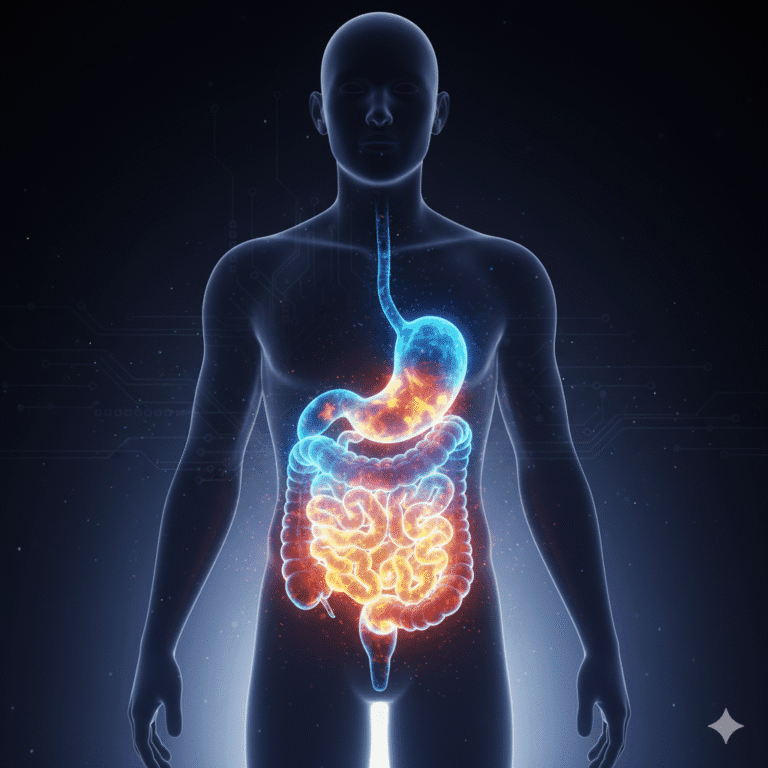
There is no single trigger. Most evidence points to an overactive immune response in the gut lining, set against a background of genetic predisposition, shifts in gut bacteria balance, and environmental exposures that can push inflammation along. Think of it as several dials on one panel, not one on–off switch.
Lifestyle Choices And Crohn’s Disease Risk Factors
Some factors sit within reach. Smoking and Crohn’s disease are closely linked, with higher chances of flares and complications. If quitting feels hard, that is normal, and smoking cessation support can be a strong ally. Diet and Crohn’s disease are also connected. Ultra-processed foods and excess sugar may add fuel to intestinal inflammation, while a nutrient-dense diet can support overall health. There is no one Crohn’s diet, so work with your team to tailor what helps you.

What Science Says About Crohn’s Risk Factors
Researchers continue to map the puzzle. Here are the pieces with the best evidence so far.
Genetics Of Crohn’s Disease
Genes can set the scene, yet they do not write the whole script. A family history of Crohn’s disease raises risk, which points to genetic predisposition. Even so, most relatives never develop Crohn’s, reminding us that other dials matter too.
The Impact Of Smoking And Diet
Smoking and Crohn’s disease travel badly together. Quitting is associated with fewer Crohn’s flare-ups over time. Food choices can shape symptoms as well. Many people find reducing processed foods helps, and focusing on a steady, nutrient-dense diet supports recovery between flares.
Environmental Factors In Crohn’s Disease
Air pollutants, toxins, and certain microbes may contribute for some people. These environmental exposures can nudge immune dysregulation and chronic inflammation in the gut. Researchers have also examined microbial triggers in Crohn’s disease, including Mycobacterium avium, although findings remain mixed and still evolving.

Gut Microbiome And Crohn’s Disease
Your gut is a busy city of trillions of microbes. In Crohn’s, a microbiome imbalance can irritate the immune system and intensify intestinal inflammation. Many people notice patterns between symptoms and meals, stress, sleep, or antibiotics. Tracking these can highlight practical tweaks while you work with your clinicians.
Risk Is Complex Not Personal
It helps to remember that risk is a web, not a verdict. Genes, immune dysregulation, the microbiome, and the environment all interact. No single choice guarantees Crohn’s, and no single change fixes it. Small, steady actions add up. That is good news, because small and steady is achievable on the tougher days.
Looking After Yourself When Things Are Uncertain
Practical Self-care Strategies
Start simple. Aim for regular meals that suit you, consistent sleep, gentle movement, and stress reducers you can actually keep, such as short walks, breathing exercises, or a quiet cup of tea without screens. These do not cure Crohn’s. They do support your energy for the rest of life.
Make The Most Of Your Healthcare Team
Bring a short symptom and food note to appointments, including any Crohn’s flare-ups and questions. Ask about vaccinations, screening, and options if symptoms change. Clear notes help your GP, IBD nurse, or consultant spot patterns and tailor care.

Community Makes It Lighter
Sharing lived experience can take the edge off hard days. Online groups and local charities create space for practical tips, humour, and empathy. You might leave with a recipe, a clinic tip, or simply the feeling that someone else gets it.
What To Do Next
Reliable Knowledge Calm Choices
Keep learning at a humane pace. Focus on topics that matter most to you, such as environmental factors in Crohn’s disease or the gut microbiome and Crohn’s disease. Bring what you find to your next appointment and ask how it fits your situation.
Speak Up And Support Others
Advocacy can be as small as correcting a myth at work or sharing a resource with a friend. Little acts shift understanding and make life with Crohn’s a bit easier for the next person.
Medical disclaimer Remember, this page is for information only and is not medical advice. Always speak to your doctor about your own situation to decide on tests, diet, or treatment. Do not start or stop medicines without medical advice, and do not change your diet without discussing it with your healthcare professional.
Common Questions About Crohn’s Risk Factors
Risk can involve genes, smoking, the gut microbiome, and environmental exposures. The immune response in the gut also plays a role. No single factor explains every case.
It can run in families, which suggests genetics matter. A first-degree relative raises risk, but most relatives do not develop Crohn’s.
Yes, smoking is linked with a higher risk and worse outcomes. Stopping smoking supports better long-term health.
Diet alone does not cause Crohn’s. Diets high in processed foods are linked with higher risk, while balanced patterns may help overall health.
Pollutants, urban living, and certain microbes are being studied. Evidence is developing and varies between people.
Microbiome imbalances are linked with inflammation. Research is ongoing, so discuss any changes or supplements with your clinician.