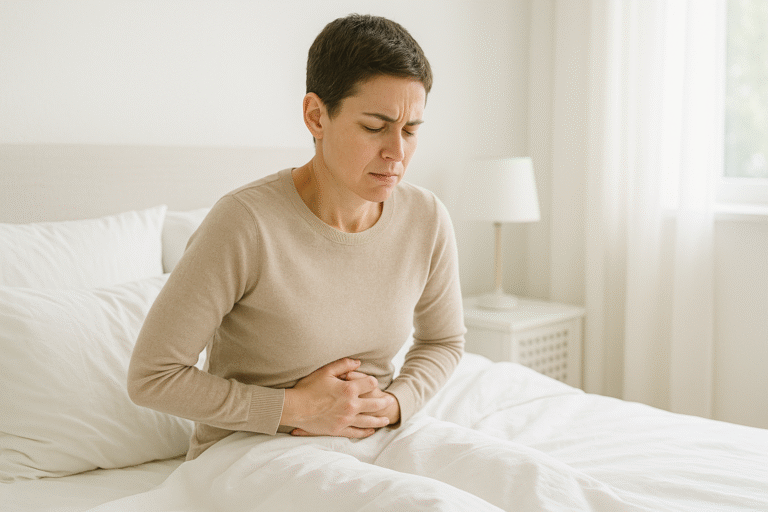


Learning how to manage Crohn’s pain is a daily skill, not a single fix. Pain can hijack plans, confidence, and sleep. The good news, small, practical changes often reduce pain enough to make the day workable. Below you will find simple Crohn’s pain relief ideas, shaped by lived experience and backed by common-sense pain management strategies.
What Crohn’s disease pain feels like
Crohn’s pain shows up in different ways, and not always in the same place. Many people describe abdominal cramping on the lower right side, a dull ache that lingers, or sharper spasms that ease after a toilet visit. Gas, bloating and urgency can add pressure. Pain may also appear outside the gut, for example aching joints or lower back pain. It can be unpredictable, which is why a flexible plan really helps.
Types of Crohn’s disease pain
Common types include:
- Abdominal cramping and tenderness, often linked to inflammation.
- A dull, steady ache as irritation builds over time.
- Sharp, colicky pain that comes in waves and may settle after passing stool.
- Perianal pain from fissures, with discomfort during bowel movements.
- Joint pain from inflammation affecting hips, knees, or lower back.

What causes Crohn’s disease pain
The biggest driver is inflammation in the digestive tract. Narrowing or strictures can cause cramping as food moves through. Gas and bloating add pressure. Fissures and skin irritation around the anus can sting or burn. Inflammation can also affect joints and the spine, which explains back or hip pain. Stress and poor sleep can amplify how strongly the brain interprets pain, so calm routines matter.
How to manage Crohn’s pain day to day
No single tactic works every time, so think toolkit, not silver bullet. Try a few, note what helps, and keep those handy for flare-ups.
Heat therapy for Crohn’s pain
- Use a hot water bottle or heat pad on the abdomen or lower back for 15–20 minutes.
- Warm baths can relax tense muscles and ease cramping.
- Protect skin with a cloth and check temperature first.
Natural remedies for Crohn’s pain
- Peppermint tea may soothe trapped wind and reduce bloating for some people.
- Gentle breathing or mindfulness meditation can calm the nervous system and lower pain perception.
- Light stretching or yoga stretches can release muscle tension without straining the gut.
Flare-up relief for Crohn’s
- Rest, keep warm, and simplify meals to easy-to-digest options if that suits you.
- Prepare a small “comfort kit”, heat pack, soft clothing, peppermint tea, wipes, and spare underwear.
- A short pain diary helps you spot patterns, for example stress, certain foods, or lack of sleep.

How diet and hydration help manage Crohn’s pain
Diet is personal, and small tweaks can go a long way. A Crohn’s pain diet during flare-ups might mean smaller, more frequent meals and gentler textures. Foods with omega-3 fatty acids, such as salmon or flaxseeds, may support a calmer gut. Many people find that processed foods, spicy meals, and fizzy drinks make cramping or bloating worse.
Hydration supports digestion and can ease abdominal cramping. Simple hydration tips include sipping water through the day, adding oral rehydration during diarrhoea, and limiting alcohol and high-caffeine drinks if they irritate your gut.
Always personalise changes with your care team, especially if you are losing weight or feel restricted by food rules.
Exercise and stress management for pain relief
Gentle movement supports gut health without overdoing it. Start with short walks, easy cycling, or yoga stretches. Aim for consistency, five to ten minutes can still help on tougher days.
Stress management for Crohn’s pain matters because stress can amplify pain signals. Try brief, daily practices, for example paced breathing, progressive muscle relaxation, or mindfulness meditation. Think of these as small switches that turn the volume down on pain.
A balanced approach that respects your limits
Good Crohn’s disease pain management is rarely about doing more, it is about doing what helps, when it helps. Mix medical care with self-care practices, for example heat therapy, hydration, and sleep routines. Keep a simple record of what works in flare-ups so you can repeat it next time. Your goal is better quality of life, not perfection.
Frequently Asked Questions
It varies from dull aches to sharp cramping. Some people also feel joint or back pain. Patterns can change during flare-ups.
Triggers differ, but spicy, fatty or fizzy options often irritate. Speak to a clinician before changing your diet.
Heat therapy can relax muscles and reduce cramping. Try a hot water bottle with a cloth barrier and check skin regularly.
Gentle activity like walking or yoga stretches may help. Start small and build up as energy allows.
Try a warm bath, heat pack and relaxed breathing. Extra pillows can support tender areas and aid sleep.
Rest, hydrate and keep meals simple. Contact your IBD team if symptoms worry you.
We hope these tips offer practical Crohn’s pain relief you can adapt to your day. Remember: This blog post is intended for informational purposes only and should not be construed as medical advice. Always consult with your doctor to discuss your individual situation and determine the best course of treatment for you. Do not start or stop medications without speaking to a doctor. Do not change your diet without speaking to your doctor or a healthcare professional.