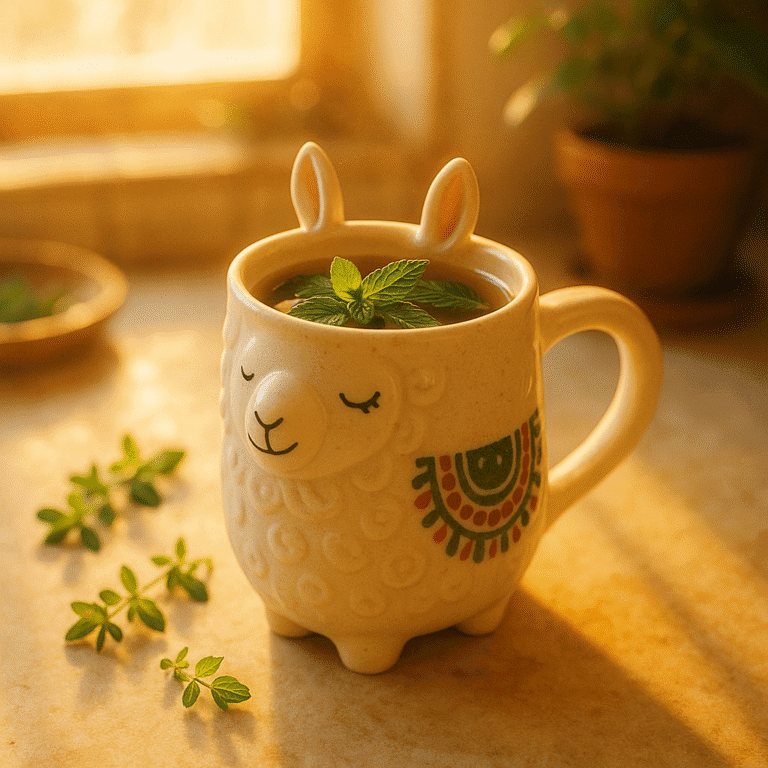


Managing Crohn’s disease can feel like keeping a toddler calm in a glassware shop, one biscuit from chaos. Small habits for managing Crohn’s disease will not fix everything, but they can steady the shelves and give you back a bit of calm.
Medicines matter. Treatments like immunosuppressants and biologics are core parts of care. Still, the day-to-day is where life happens. Tiny, repeatable choices add up to something sturdier, a set of daily rituals that lowers stress, supports gut health, and helps you feel more in control.
Why Small Habits for Managing Crohn’s Disease Matter
Your brain dislikes uncertainty, and Crohn’s serves it generously. Symptoms can flip without warning. In a life shaped by unpredictability, routine becomes a practical shield. These are not miracle cures. They are behavioural nudges, quiet patterns that turn guesswork into rhythm and help with stress management, digestive health, and inflammation control.
Think of them as little anchors. You drop them in calm waters so they are there when the weather turns.
Build Daily Routines for Crohn’s Disease
The aim is simple, design daily routines for Crohn’s disease that reduce friction and save willpower. Keep decisions light, keep patterns steady.
- Same wake-up time. Your body likes rhythm. Consistency signals safety.
- Predictable breakfast. Pick foods that sit well for you. Think calm oats over spicy experiments.
- A calming morning ritual. A short walk, a podcast, or a quiet hot drink can soften early stress and support trigger management.
Morning routine for Crohn’s disease
Keep it short and repeatable. Sip water, choose a settled breakfast, add two minutes of breathing or gentle stretching. Tiny habits for Crohn’s disease work best when they are easy to do on tired days.
Wind-down routine for Crohn’s disease
Protect sleep like it is medicine. Dim lights, leave screens across the room, try a warm shower or a book. A steady wind-down routine helps lower cortisol and supports immune balance.
These habits for Crohn’s may sound small. Done consistently, they become an invisible support system built on structure over willpower and steady routine building.
Rituals for Crohn’s disease flare-up prevention
Rituals are comforting, and they are practical too. Stress thrives in uncertainty, routines reduce that uncertainty. Over time, structure makes the stress-Crohn’s feedback loop less sticky.
- Mindful eating for Crohn’s disease. Sit down, chew slowly, avoid multitasking. Give your gut time to keep up.
- Scheduled pauses. Short, regular breaks help with stress management and digestive health, even on busy days.
- Consistent bedtime. A calm wind-down supports sleep quality and immune balance.
Think simple and repeatable. Over weeks, these daily rituals can support symptom tracking, gut health, and inflammation control.
Crohn’s disease coping strategies that actually stick
Good intentions are easy, stickiness is harder. The trick is to make helpful actions the path of least resistance.
- Create if–then rules for Crohn’s disease management. If cramps start, then make peppermint tea and sit for five minutes. If fatigue hits, then message your manager and switch to low-focus tasks.
- Use pre-planned meals for Crohn’s disease. Keep a short list of safe breakfasts and lunches. Stock a small “safe snacks” kit for work or travel.
- Track one thing. Keep symptom tracking tiny. One line in your notes, or a quick emoji against pain, stress, or sleep.
- Start small on movement. Two minutes of gentle stretching before teeth brushing beats ambitious plans you do once.
- Mind-body connection. Short breathing drills, a brief body scan, or a warm compress can take the edge off flares and help with trigger management.
The key is not willpower. It is structure. Rituals replace willpower with momentum.

Taking back control in small ways
You cannot control every symptom, and that is hard. But you can shape how your day begins, how you respond, and where you place your attention. This is taking back control with Crohn’s. A favourite mug, a lunchtime walk, screens off 30 minutes before bed, they look small, yet they create familiarity inside the unpredictable.
Over time, these choices support consistency and routine building. They do not cure, they steady. That is how to manage Crohn’s disease day by day.
Remember: This blog post is intended for informational purposes only and should not be construed as medical advice. Always consult with your doctor to discuss your individual situation and determine the best course of treatment for you. Do not start or stop medications without speaking to a doctor. Do not change your diet without speaking to your doctor or a healthcare professional.
Common Questions About Managing Crohn’s
Keep wake-up times steady, eat predictably, and plan short pauses. Add gentle movement and regular hydration.
Rituals reduce stress and improve sleep. Less stress can lower the chance of a flare.
Drink water, eat a safe breakfast, and do two minutes of calm breathing. Keep it repeatable.
Sit down, chew slowly, and avoid multitasking. Notice portion size and pace.
Set small prompts. For example, if pain starts, then rest and sip peppermint tea.
Yes, small consistent steps reduce stress and add control. They support daily confidence.