
Search “can you drink alcohol with Crohn’s disease” and you will find more confusion than clarity. One source says yes in moderation, another says no during flare-ups, and a third throws in phrases like intestinal permeability for sport.
Here is the part we often miss. Alcohol is not just a chemical, it is a cultural prop. A drink signals who you are, where you fit, and what sort of night you are having. With Crohn’s disease, that simple prop can feel like an audition you did not ask for.
We get it. You want your gut to be calm and your social life to feel, well, social. This page will not tell you what to drink. It will help you think clearly about alcohol and Crohn’s disease, so you can choose what suits your body and your life.
Medical disclaimer. Remember: This blog post is intended for informational purposes only and should not be construed as medical advice. Always consult with your doctor to discuss your individual situation and determine the best course of treatment for you. Do not start or stop medications without speaking to a doctor. Do not change your diet without speaking to your doctor or a healthcare professional.
What the Research Really Says About Drinking with Crohn’s Disease
Let us clear the basics first.
Alcohol can affect the gut. Studies suggest it may increase intestinal permeability, sometimes called leaky gut. For people with Crohn’s disease, that could aggravate symptoms. Some medicines, such as methotrexate and azathioprine, can carry liver risks that alcohol may compound. Others, such as adalimumab, appear less affected by occasional drinking, though you still need individual medical advice.
Research in IBD shows mixed results. One small study found a temporary anti-inflammatory effect after red wine, though that does not make red wine a therapy. There is no good evidence that alcohol causes Crohn’s disease, but it can trigger symptoms for some people.
Can you drink alcohol with Crohn’s disease in real life
Short answer, it depends. Variability rules with IBD. What sits fine for your mate might upset you, and vice versa. Start from your current health, your meds, and your risk tolerance.
How does alcohol affect Crohn’s disease
Possible effects include gut irritation, changes to the microbiome, and looser stools. Dehydration and poor sleep can add to the problem. Food, stress, and timing matter too, which is why two identical drinks can land differently on two different nights.
Is alcohol bad for Crohn’s disease
Not always, not never. For some, a small drink in remission is fine. During flare-ups, most people feel worse. If you notice consistent symptoms after drinking, treat that as data.
Does alcohol cause Crohn’s disease
No. Current evidence does not show alcohol causes Crohn’s disease. The question is about symptom control, not blame.
Why Drinking with Crohn’s Disease Is About Identity as Much as Symptoms
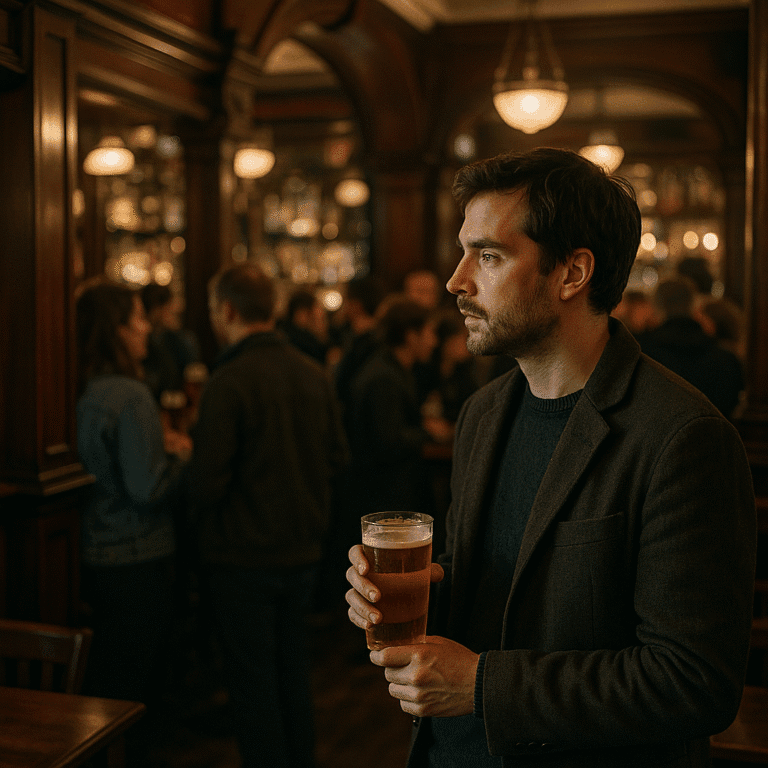
Most of us do not drink because we are thirsty. We drink because it is part of the script. The clink of glasses, the round-buying ritual, the casual fancy a pint, these are signals that say I am in. Declining a drink can feel like declining the group.
Call it social signalling. Holding a drink often reads as normal. Refusing one, especially in a pub, can read as illness or awkwardness. That is the real dilemma, not only can you drink alcohol with Crohn’s disease, but what happens socially when you do not. Drinking alcohol with Crohn’s disease is personal, and so is the story you choose to tell.
How to Rethink Drinking with Crohn’s Disease as a Personal Brand Choice
Think less substitution, more intention. When non-alcoholic spirits like Seedlip arrived, they did not present as a sorry stand-in. They made not drinking look confident.
Your glass can do the same job without the alcohol. It just needs to look the part and feel deliberate.
- Choose something deliberate. Alcohol-free IPA, Seedlip with tonic, or a soft drink in a rocks glass. Do not underestimate the power of glassware.
- Own the moment. Say I am off the booze tonight with a grin, not an apology. Confidence is the best mixer.
- Pre-empt the fuss. Going somewhere boozy? Have a default order and line ready. Dry January, early start, training, budget, all fine, all socially digestible.
You are not skipping alcohol, you are setting a personal brand choice that fits your gut and your life.
Why We Often Blame Alcohol When It Is Something Else
We are bad at spotting causes. If you feel awful the morning after a couple of drinks, you might blame the booze. But was it the gin and tonic, the stress, the greasy food, poor sleep, or missing your meds? The most obvious culprit is not always the right one.
Self-tracking helps. Try this simple test when you are well.
- Only try alcohol when you feel stable, not during a flare-up.
- Keep variables low, one type of drink, small amount, same food.
- Log how you feel for 24 to 48 hours, gut and energy.
You are not running a clinical trial, you are collecting useful signals from your own life. Some people describe alcohol intolerance with Crohn’s, others do not. Treat your notes as practical evidence.
How to Handle Social Pressure Around Drinking with Crohn’s Disease
This is where pub culture meets self respect. You do not owe anyone a medical lecture. You might, however, want a plan for social pressure around drinking.
One-liners that work
- Nah, I am on a tactical night off.
- Giving the old gut a break.
- Early start tomorrow.
All true. None medical. If someone pushes, smile and change the subject.

What to Think About If You Choose to Drink with Crohn’s Disease
If you decide to drink, make it strategic. The best alcohol for Crohn’s disease depends on your triggers and context.
Often better tolerated
- Dry red or white wines. Red wine and Crohn’s disease can be a mixed bag, so start small.
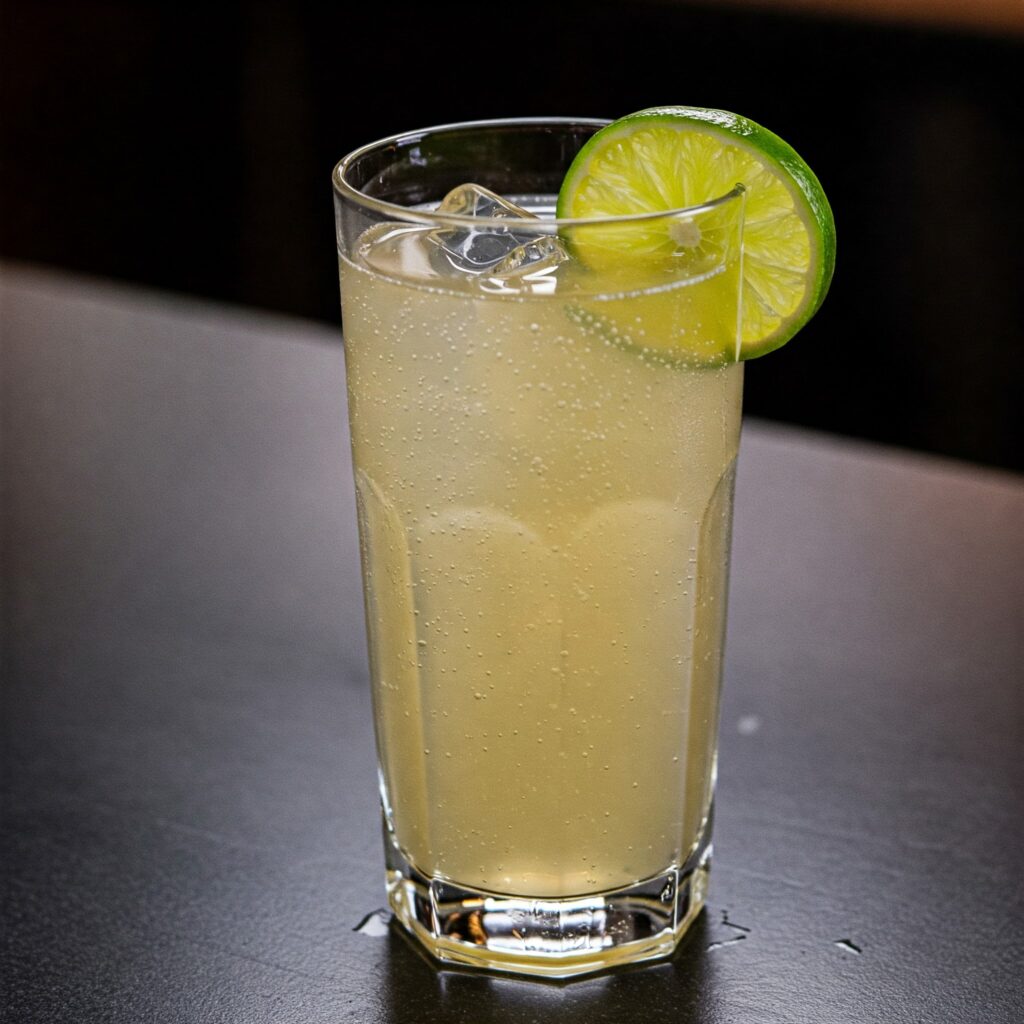
- Simple spirits with soda water, avoid sugary mixers.
- Low or no-alcohol craft beers.
Common culprits
- Beer and Crohn’s disease can clash, volume and carbonation are frequent issues.
- Cocktails loaded with sugar or sweeteners.
- Creamy liqueurs or anything with dairy.
Practical tips
- Eat before and during, protein and carbs can help.
- Alternate with water, sip not gulp.
- Stick to one type of drink.
- Set a limit in advance, moderation helps.
What can I drink with Crohn’s disease at the pub? Alcohol-free lager, Seedlip and tonic, or a soft drink in a short glass keep the vibe without the aftermath.
Remember, you are testing a hypothesis, your body is the lab. Track, review, adjust.
You Control the Choice to Drink with Crohn’s Disease Not Pub Culture
So, can alcohol and Crohn’s disease mix? Sometimes. Crohn’s disease and alcohol is less a rulebook and more a set of choices, made by you.
For some, that is a quiet glass of wine. For others, a clear no thanks. Both are sensible.
This is not about permission, it is about alignment, your gut, your goals, your social life.

Questions People Ask About Drinking Alcohol with Crohn’s Disease
It affects people differently. Can you drink alcohol with Crohn’s disease depends on your symptoms and meds. Ask your IBD team for personal advice.
It can irritate the gut and worsen symptoms for some. Others tolerate small amounts in remission. Track your response and speak to a clinician.
Dry wine or simple spirits with soda may be easier. Beer and sugary cocktails often cause issues. Start small and assess.
Yes, especially methotrexate, azathioprine and metronidazole. Check with your doctor or IBD nurse before drinking.
Most people feel worse if they drink during a flare. It is usually better to wait until symptoms settle.
Try alcohol-free lager, Seedlip and tonic, or a soft drink in a short glass. It keeps the social signal without the after-effects.