
It’s a fascinating fact: roughly 1 in 650 people in the UK suffer from Crohn’s disease1. Food can feel like a puzzle, and the pieces keep moving. This guide focuses on the Crohn’s disease diet so you can make calm, practical choices that suit your body, not someone else’s.
Sound familiar? One day porridge is your hero, the next it stages a mutiny. That on-off switch is why guessing at meals is so draining. The good news, small changes and a bit of pattern spotting often make everyday life easier. Below, you will find clear, UK-focused tips on diet for Crohn’s disease, plus a realistic way to test what helps and what does not. For practical ideas, including some easy recipes for Crohn’s disease, you can also try simple swaps at your own pace. If you prefer to search by phrase, terms like Crohn’s diet recipes and Crohn’s disease diet UK can help you find local resources.
Exploring Crohn’s Disease and Diet
Crohn’s disease causes inflammation along the digestive system, often the small intestine. That can affect nutrient absorption and lead to symptoms like pain, diarrhoea, weight loss, low iron, and low B12 or vitamin D. There is no single best diet for Crohn’s disease. The aim is to reduce irritation during flare-ups and to nourish well in remission.
Here is the counterintuitive bit. A food that sounds healthy on a poster, say a raw kale salad, might be less kind to an inflamed gut than white rice. Context matters more than labels. Your Crohn’s disease nutrition needs can change between flare-ups and calmer phases, so flexibility beats any rigid rulebook.
Crohn’s disease diet basics
Inflammation and its impact on Crohn’s
When the gut lining is inflamed, rough textures and very high fibre foods can rub the wrong way. You might absorb less fat, iron, B12, and other nutrients. Eating gently and topping up nutrients where needed can ease stress on your digestive system.
How diet influences Crohn’s symptoms
Common symptoms include:
- Tummy aches and cramps
- Long-lasting diarrhoea or alternating with constipation
- Tiredness linked to anaemia or low nutrients
- Weight loss from poor absorption
Food choices can nudge symptoms up or down. That is why a steady, test-and-learn approach often beats big, sudden changes.
Food as part of your care
Medicines and sometimes surgery do the heavy lifting. Food supports that plan. A simple Crohn’s disease diet plan can reduce irritation, keep energy up, and help you feel more in control day to day. Speak to your GP or an NHS dietitian for tailored advice, especially if you are losing weight or worried about nutrients.
Practical steps that help
Find your triggers with a food journal
Everyone is different. Keep a food journal for two to four weeks. Note what you eat, symptoms, stress, sleep, and timing. Patterns appear quickly, for example spicy food plus a late night might be fine in remission but not during a flare. This is your personal map, not a test you can fail.
Eat small frequent meals
Big plates can overwhelm an inflamed gut. Try small frequent meals, four to six a day. Think light and regular, not feast then famine.
Hydrate smartly
Diarrhoea can dehydrate you fast. Aim for steady hydration with water, oral rehydration solutions, or herbal teas. Go easy with caffeine, very fizzy drinks, and high-sugar options if they set off symptoms.
Plan for flare and remission
In a bad patch, keep textures soft and fibre lower. In remission, gently widen variety to support the gut microbiome. A flexible diet for Crohn’s disease can include treats and social meals, you may just need to edit the portion or the texture.
What to eat with Crohn’s disease
These options are often gentler when symptoms are active, then helpful building blocks in calmer times. They are not rules, try them and make notes.
Lean proteins
- Chicken and turkey, lower in fat and generally easy to digest.
- Fish, such as salmon and tuna, for omega-3 fatty acids.
- Eggs, soft cooked if needed, a simple way to get protein.
Low-fibre fruits
- Bananas, gentle when your gut is grumpy.
- Melons, hydrating and soft.
- Apples or pears without skin, stewed if that sits better.
Cooked vegetables
- Carrots and courgettes, well cooked until soft.
- Potatoes without skins, mash or jacket with the skin removed.
- Cooked spinach, a tender way to add iron.
Refined grains
- White rice, simple and gentle during a flare.
- White bread, often easier than wholemeal when inflamed.
- Soft cereals, like well-cooked porridge oats.
Healthy fats
- Olive oil, use in small amounts.
- Avocado, if tolerated, ripe and mashed is softer.
- Flaxseed oil, a source of omega-3s.
Probiotics and fermented foods
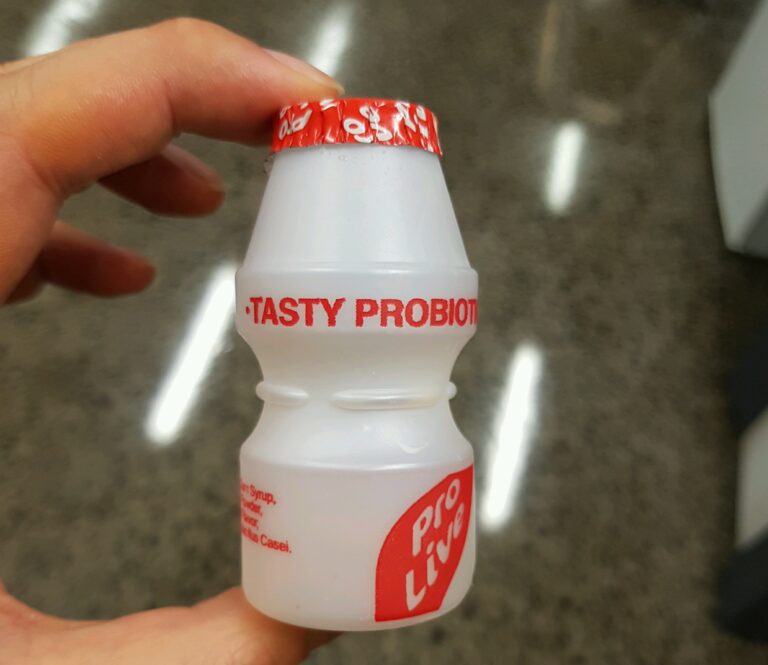
- Yoghurt with live cultures, if lactose is an issue, try lactose-free.
- Kefir, start with small amounts to test tolerance.
- Sauerkraut and other ferments, these may support the gut microbiome in remission.
In short, here are Crohn’s disease foods that many people find gentle, but your list may differ. Keep testing calmly.
Foods to avoid with Crohn’s disease
Some foods commonly irritate during flare-ups. If they are your favourites, you might pause them, not ban them forever.
High-fibre foods
- Wholegrain bread, can be scratchy when inflamed.
- Brown rice, harder to break down.
- Raw brassicas, like broccoli or cauliflower.
Fatty and fried foods
- Deep fried items, high fat can be rough on the gut.
- Very fatty meats, such as some cuts of red meat.
- Heavy creamy sauces, rich and sometimes triggering.
Dairy considerations
- Full-fat milk, tricky if lactose intolerant.
- Cheese, higher fat or very aged types may be harder during a flare.
- Very creamy desserts, heavy on the stomach.
Spicy foods and alcohol
- Chilli-heavy dishes, may irritate an inflamed gut.
- Alcohol, beer, wine, and spirits can ramp up symptoms for some.
Caffeinated and fizzy drinks
- Coffee and cola, caffeine and fizz can aggravate.
- Energy drinks, often a double hit of caffeine and sugar.
Artificial sweeteners
- Sorbitol or aspartame, common in sugar-free items, may worsen symptoms.
Simple meal ideas and Crohn’s diet recipes
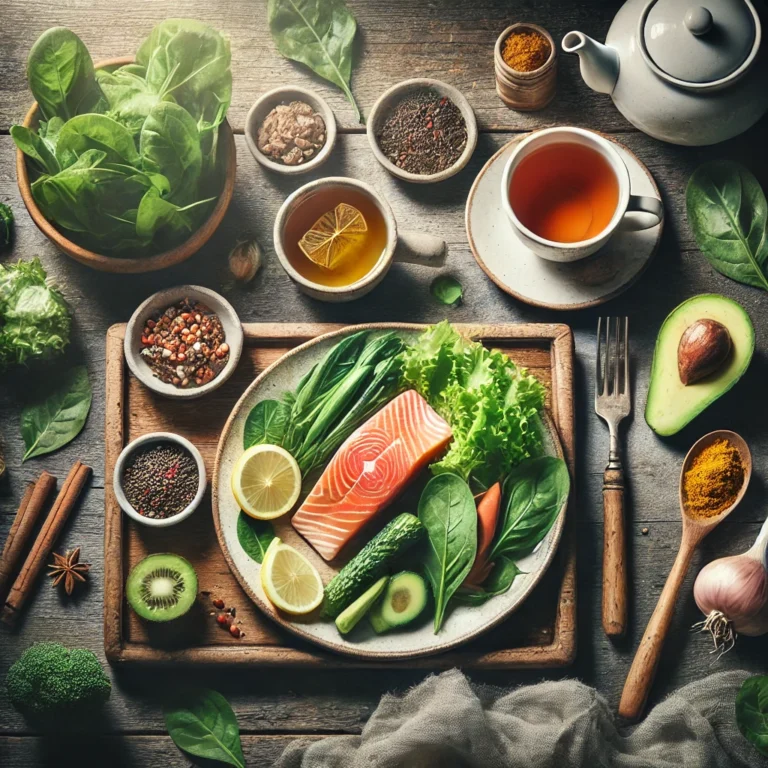
Build plates around lean protein, soft carbs, and cooked veg. For example, grilled salmon with mashed potatoes and carrots. Omelette with soft white toast. Chicken, rice, and courgettes. You can find Crohn’s diet recipes in our linked guide above.
Wrapping up your plan
There is no single best diet for Crohn’s disease, and that is okay. Focus on patterns, not perfection. Start small, keep notes, and adjust. Over time, you will have a reliable shortlist of meals that suit you in a flare and a longer list for when you are in remission.
Medical disclaimer. This page is for information only and is not medical advice. Always speak to your doctor or an NHS dietitian about your own situation and treatment. Do not start or stop medicines without advice, and do not change your diet without talking to a healthcare professional.
Have a tip that helps your gut keep the peace? Share your experiences in the comments, we are keen to hear what has worked for you.