

Crohn’s disease frequently asked questions come up because daily life rarely follows a neat script. One week you are fine, the next your gut behaves like a smoke alarm that only beeps when you make toast. If you want clear, human answers without the fluff, you are in the right place.
Crohn’s disease frequently asked questions
We have gathered the questions people ask most often, with plain explanations and a few practical tips. Start here, then follow what feels most relevant for you.
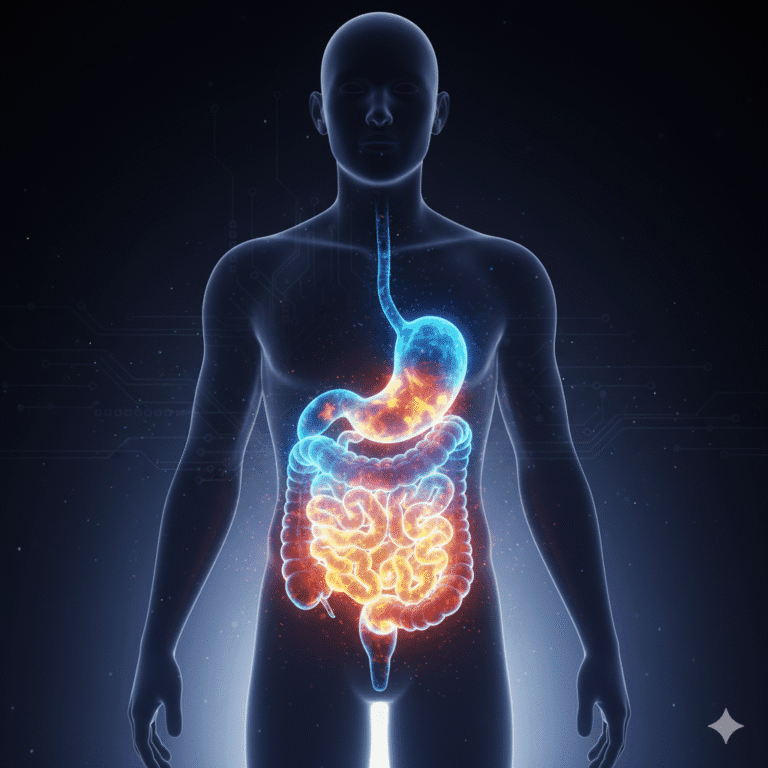
Crohn’s is a type of inflammatory bowel disease that causes gut inflammation. It can affect any part of the digestive tract and often flares and settles.
Abdominal pain, diarrhoea, fatigue, weight loss and mouth ulcers are common. Symptoms vary and may change over time.
It involves genetics, the immune system and environmental triggers. No single food or stress event causes it.
Crohn’s involves abnormal immune activity against the gut. Many experts call it immune mediated rather than strictly autoimmune.
Doctors consider history, blood and stool tests, imaging and endoscopy with biopsies. Diagnosis looks at the whole picture.
Treatments may include medicines that reduce inflammation, nutrition strategies and sometimes surgery. Plans are individual and reviewed over time.
There is no single diet that works for everyone. A food and symptom diary can highlight personal patterns to discuss with your team.
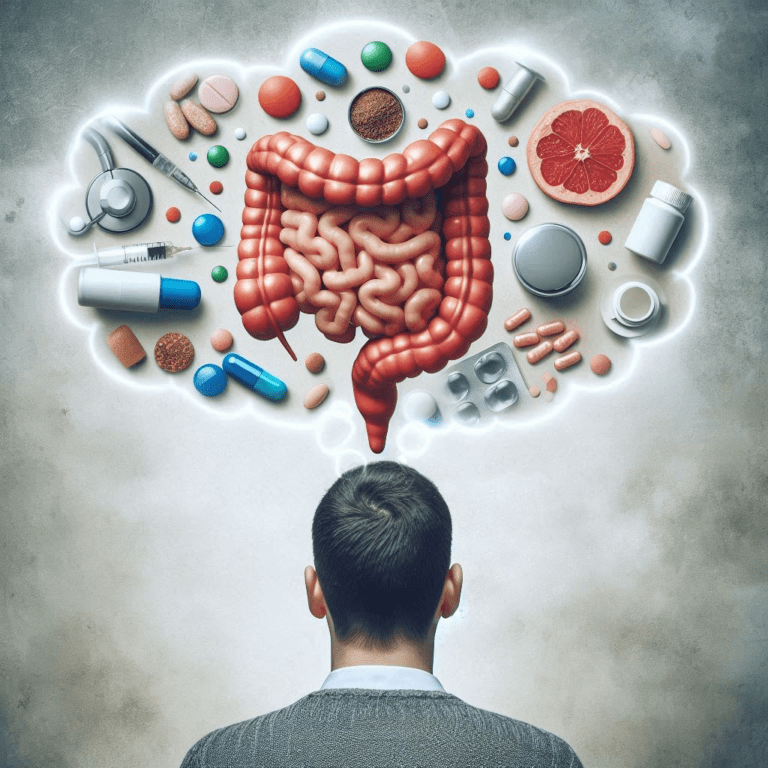
People often report infections, NSAIDs, smoking, poor sleep or stress as triggers. Track patterns and speak to your clinician.
Crohn’s causes inflammation and can damage the bowel. IBS affects gut function but does not cause inflammation or damage.
Anyone can be affected, including children and adults. In the UK it is relatively common, with rising diagnoses reported.
Right here. This page brings together Crohn’s disease frequently asked questions with clear, practical answers.
What to read next
Quick links to popular topics you may find useful.
- Crohn’s disease FAQs
- Crohn’s disease FAQ
- Crohn’s disease symptoms
- causes of Crohn’s disease
- Crohn’s disease treatment options
- Crohn’s disease diet and lifestyle
- Crohn’s disease triggers
- difference between Crohn’s and IBS
- living with Crohn’s disease
- managing Crohn’s disease
- inflammatory bowel disease IBD
- environmental triggers and irritants
- immune system and genetic factors
- bowel symptoms and flare-ups
- diet and lifestyle changes
A note on medical advice
Remember: This blog post is intended for informational purposes only and should not be construed as medical advice. Always consult with your doctor to discuss your individual situation and the best course of treatment for you. Do not start or stop medications without speaking to a doctor. Do not change your diet without speaking to your doctor or a healthcare professional.