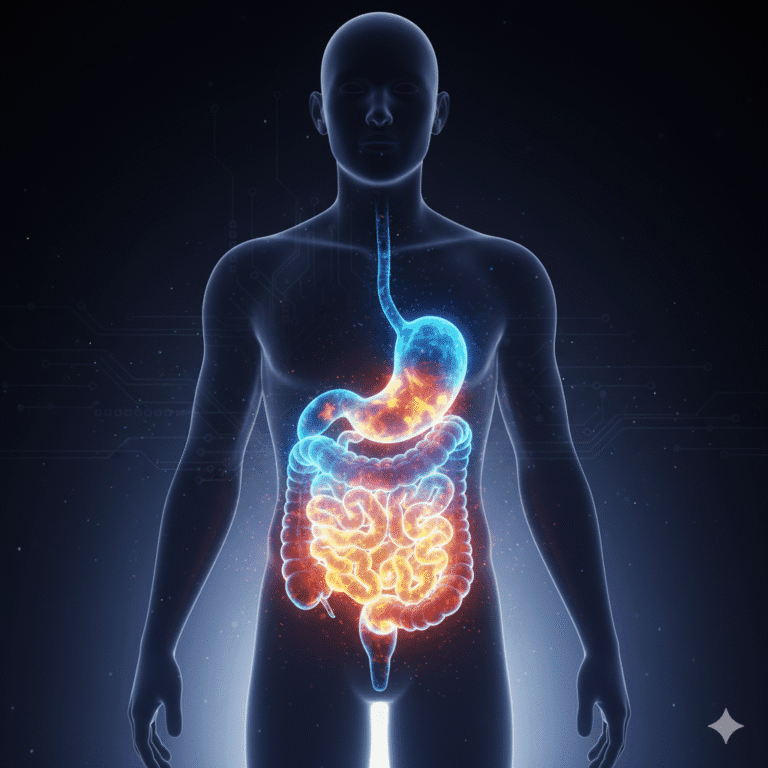


My Diagnosis Story and What It Taught Me
If you are wondering how is Crohn’s disease diagnosed, you are not alone. It can feel like solving a mystery where the culprit keeps changing outfits. Symptoms rise and fall, appointments stack up, and your patience gets a stress test. Here is the good news. There is a clear diagnostic process for Crohn’s disease, and with the right questions and support, you can get answers without losing your head or your humour.
How is Crohn’s disease diagnosed in practice
Seeking guidance from medical professionals
Most people start with their GP to talk through Crohn’s disease symptoms such as abdominal pain, diarrhoea, weight loss, and fatigue. If inflammatory bowel disease is suspected, your GP will refer you to a gastroenterologist for Crohn’s. This specialist leads the assessment, explains the Crohn’s disease diagnosis pathway, and arranges Crohn’s disease diagnostic tests.
Tests You Might Face Before a Crohn’s Disease Diagnosis
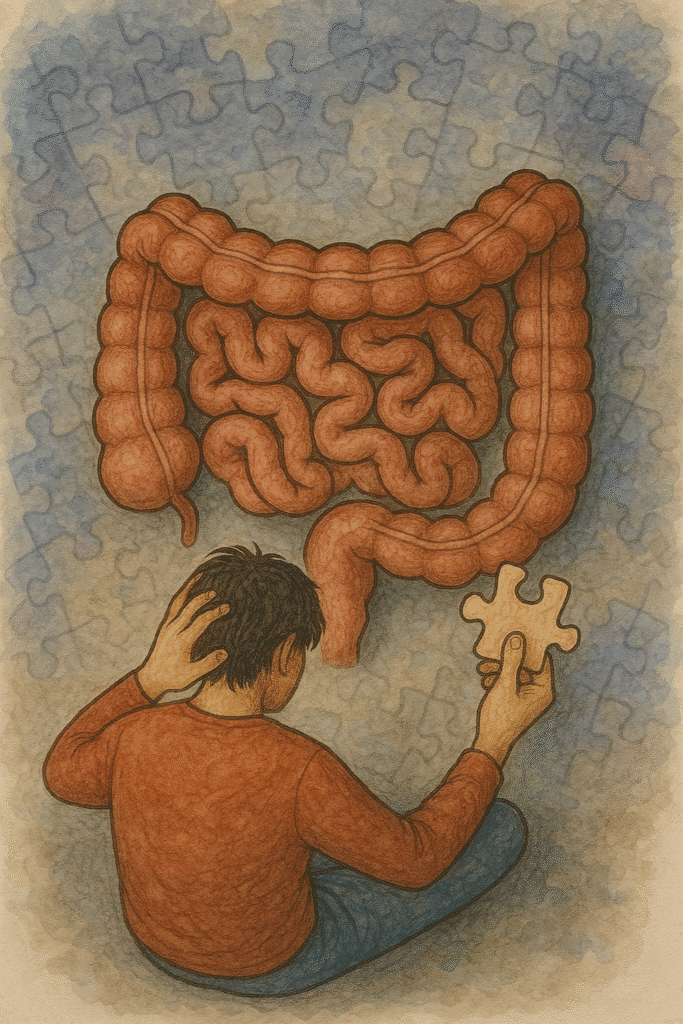
Diagnosing Crohn’s disease is not a one-test situation, it is more like piecing together a puzzle. Different tests answer different questions, from where the inflammation sits to how active it is.
- X-ray imaging and ultrasound create a basic visual map to flag thickened bowel loops or complications.
- MRI or CT enterography offers detailed images of the small bowel and can highlight strictures, fistulas, or abscesses.
- Barium tests for Crohn’s disease such as a barium enema are used less often now, but may still help show narrowing or other changes.
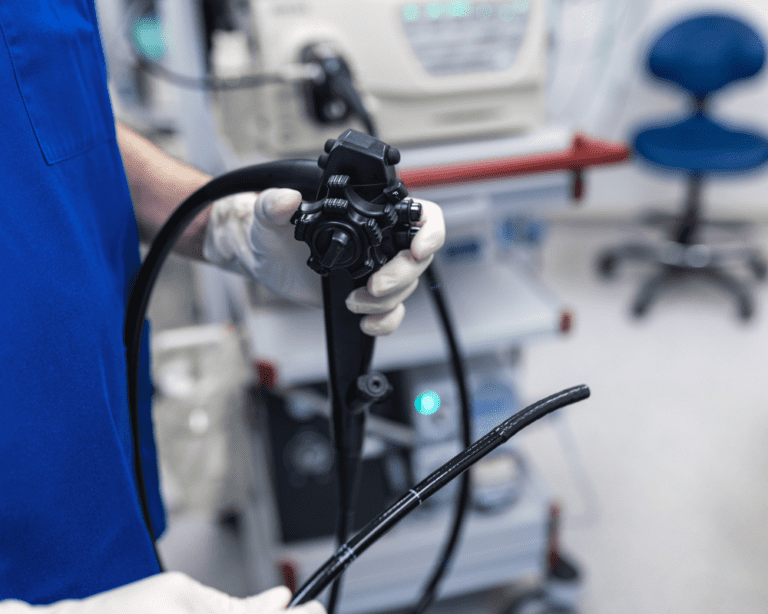
- Endoscopic procedures for Crohn’s include colonoscopy and gastroscopy. Your specialist may take tissue samples during these to perform a Crohn’s disease biopsy procedure.
- Blood tests for Crohn’s disease check for anaemia and inflammation, including CRP levels in blood, and may assess iron, B12, and folate.
- Stool tests for Crohn’s disease often include the faecal calprotectin test to gauge gut inflammation, along with stool cultures to rule out infection.
Biopsy results help confirm a diagnosis under the microscope. Sedation options are usually available for endoscopic tests, so ask what to expect and how to prepare.
Keeping Your Sanity During Crohn’s Disease Diagnosis
Why Diagnosing Crohn’s Disease Rewards Stubborn Optimists
Crohn’s is an accomplished impersonator. It can look like IBS, ulcerative colitis, or a lingering infection, so a firm answer can take time. Be your own steady advocate. Take a symptom diary noting stool frequency, pain levels, weight changes, and triggers. Bring questions. If something does not add up, say so. Persistence is not being difficult, it is how you get the right care.
Why Second Opinions Matter When Diagnosing Crohn’s Disease
Real-life diagnosis is rarely neat. A second opinion on Crohn’s diagnosis can offer a fresh lens, different tests, or a clearer explanation. It is not about doubting a clinician, it is about reducing the chance of false starts and saving time. Ask your GP or gastroenterologist how to request one if you are unsure about the plan or still feel unwell despite normal tests.
Practical tip. When you seek another view, bring your test reports and imaging summaries. A well-packed folder beats guesswork every time.

Hard-Earned Lessons From My Crohn’s Diagnosis
Here are the habits that helped me keep calm and move things forward.
- Learn the basics. Understanding the diagnostic process for Crohn’s disease makes appointments shorter and sharper.
- Build a support team. Family, friends, and patient communities can ease the load during flares and tests.
- Prioritise rest and food. Eat in a way that suits you during testing weeks, and protect your sleep. Small, steady steps beat heroic sprints.
- Accept off days. Flare or fatigue days are not failure. They are information you can share with your team.
- Write it down. Bring a short list of current medicines, allergies, and questions to every appointment.
Life After Your Crohn’s Diagnosis
Hearing “You have Crohn’s” can be a shock. With the right plan, many people reach remission and keep living the lives they care about. Focus on clear follow up, early conversations about treatment goals, and support that fits your day to day reality.
Medical disclaimer. Remember. This blog post is intended for informational purposes only and should not be construed as medical advice. Always consult with your doctor to discuss your individual situation and determine the best course of treatment for you. Do not start or stop medications without speaking to a doctor. Do not change your diet without speaking to your doctor or a healthcare professional.
Common Questions About Crohn’s Disease Diagnosis
It varies. Many people need several tests over weeks or months to confirm findings and rule out other causes.
Common tests include colonoscopy, biopsy, MRI or CT, bloods, and stool checks like faecal calprotectin.
Biopsy findings often help confirm Crohn’s by showing inflammation patterns under the microscope.
Yes. It can resemble IBS, colitis, or infection. A second opinion can help if doubt remains.
Note stool frequency, pain, weight changes, medicines, and questions. Bring this list to each visit.
Doctors combine symptoms, blood and stool tests, imaging, and endoscopy to reach a clear diagnosis.
Everyone experiences Crohn’s differently, so work with your healthcare team to find what helps you. If you feel stuck, ask for a review. Clear questions lead to clearer plans.
If sharing my experience saves you one confusing appointment or one sleepless night, it is time well spent.