
Living with Crohn’s can feel like juggling flaming torches while balancing on a yoga ball with one eye shut. Appointments, meds, side effects, the lot. It is easy to feel like managing the condition is a full‑time job. Natural treatments for Crohn’s disease can help steady the day, not as magic bullets, but as practical add‑ons that support what your medical team already does.
Here is the honest bit. Some approaches have early promise, some are mainly about comfort, and a few are best left to clinical trials. Used with care, they can help you manage Crohn’s symptoms naturally, feel calmer, and spot what actually helps you.
Remember This blog post is intended for informational purposes only and should not be construed as medical advice. Always consult with your doctor to discuss your individual situation and determine the best course of treatment for you. Do not start or stop medications without speaking to a doctor. Do not change your diet without speaking to your doctor or a healthcare professional.
Natural treatments for Crohn’s disease with acupuncture
Acupuncture looks dramatic, yet many people report less pain, fewer cramps, and better sleep. The idea is simple, tiny needles nudge the nervous system toward calm, which may dial down pain signalling and stress. Evidence is mixed, but if you are curious, choose a qualified practitioner and share your Crohn’s history first.
Practical tips
- Start with a short trial of 3 to 6 sessions, then review.
- Avoid needle sites over active fistulas or inflamed skin.
- Pair with stress reduction for Crohn’s management, such as breathing exercises.

Probiotics and natural gut support for Crohn’s disease
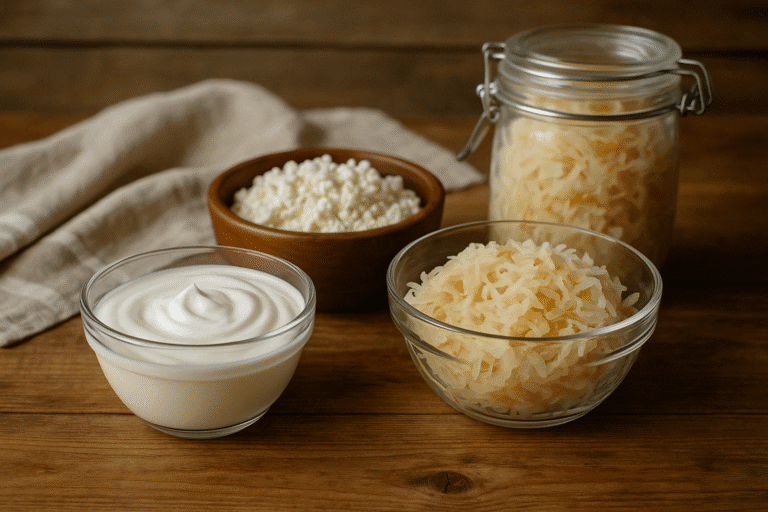
Think of probiotics as helpful guests for gut flora restoration. Some strains may support biome balance and immune modulation, though results vary person to person. Food sources include yoghurt probiotics, kefir, sauerkraut and other fermented foods for Crohn’s. Supplements can be an option, but start low and go slow, especially if you are prone to bloating.
Practical tips
- Introduce one product at a time for 2 to 4 weeks.
- Keep a simple symptom log to spot changes and Crohn’s flare triggers.
- If using probiotics for Crohn’s disease alongside immunosuppressants, speak to your IBD team first.
Alternative options such as helminthic therapy for Crohn’s symptoms
Helminthic therapy for Crohn’s is the ultimate eyebrow‑raiser. The concept, carefully introduced organisms may shift immune responses away from overreaction. It remains experimental and is not routinely available in the UK. Discuss risks, sourcing, and monitoring with a specialist before you even consider it.
Practical view
- Evidence is limited, and quality varies across studies.
- Never self‑source organisms online, this can be dangerous.
- Safer, simpler steps like diet tweaks or stress tools often deliver clearer gains.
Herbal remedies and anti‑inflammatory herbs for Crohn’s symptoms
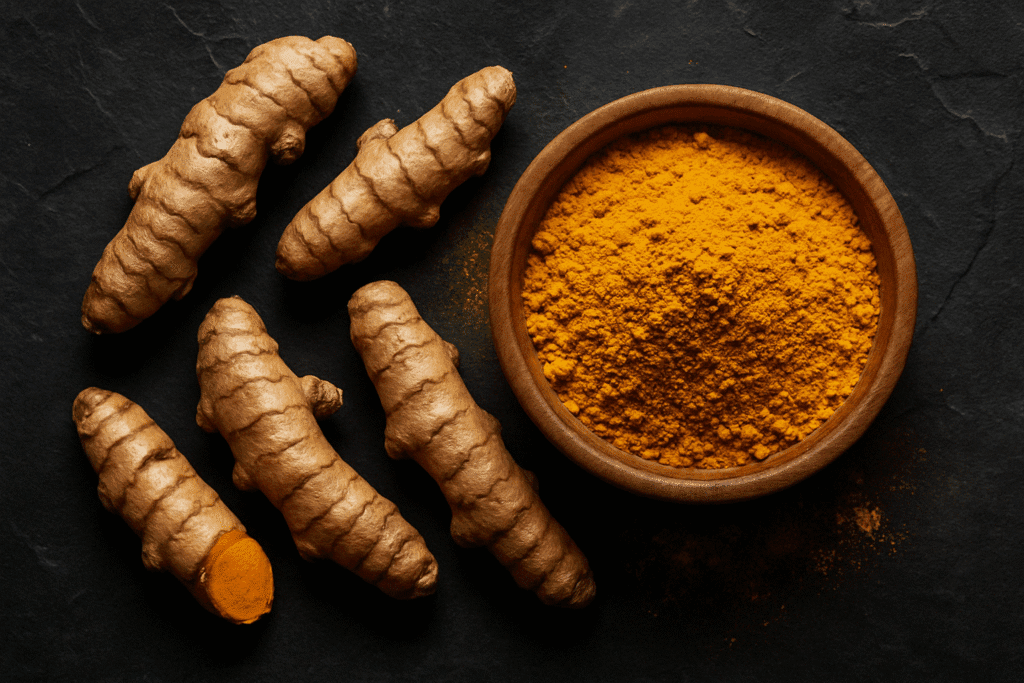
Some people find gentle support from anti‑inflammatory herbs. Turmeric benefits may relate to curcumin, ginger for nausea can help during flares, and peppermint for cramping may soothe spasms. These are not cures, but they can be part of holistic gut support. If you take blood thinners or other medicines, check for interactions first.
Practical tips
- Try one change at a time, for example a standardised curcumin supplement or a ginger tea.
- Watch for diarrhoea or reflux, adjust the dose or stop if symptoms worsen.
- Ask a pharmacist about a suitable herbal anti‑inflammatory for Crohn’s if you use prescription meds.
FMT as a natural treatment for Crohn’s disease symptoms
FMT for Crohn’s disease, faecal microbiota transplant, aims to repopulate the gut with healthier bacteria. In the UK it is mainly used for recurrent C. difficile infection, and in Crohn’s it is still being studied. If it interests you, ask about clinical trials rather than private clinics promising the moon.
Practical view
- Procedures should be done in regulated settings only.
- Evidence in Crohn’s is evolving, benefits and risks are still being mapped.
Stress, mindset and the gut‑brain axis
Your gut and brain are chatty neighbours. Stress can turn the volume up on pain and urgency, while calm routines can turn it down. Simple tools, breathing exercises for Crohn’s, short meditations, yoga for digestion, time outdoors, or even a sitcom, can lower tension. None of this replaces medication, it just gives your body a better chance to settle.
Practical tips
- Schedule ten minutes a day for slow breathing or a brief stretch.
- Use journaling to track mood, sleep, food, and symptoms.
- Reframe self‑talk from battling to managing, small wins add up.

Pulling it together without overwhelm
Natural therapies for Crohn’s disease work best as small, testable steps. Pick one idea, try it safely, measure the effect, then keep it or bin it. Over time you build a kit that suits your body, from probiotics for Crohn’s disease to stress tools and anti‑inflammatory herbs for Crohn’s.
Crohn’s is not simple. You are. You want fewer bathroom sprints and more normal days. With steady experiments and clear advice from your team, holistic treatments for Crohn’s can help you get there, one realistic tweak at a time.