
Life with Crohn’s can feel like trying to fix a leaking pipe while the water keeps coming. One day a food is fine, the next it starts a five-alarm fire. A simple, flexible Crohn’s disease meal plan gives you something steady to hold onto. With the right foods, timing, and a bit of prep, you can calm flare-ups, eat with less fear, and feel a little more in charge of your day.
Work With a Specialist to Tailor Your Crohn’s Disease Meal Plan
Before building any meal plan for Crohn’s disease, speak to a registered dietitian or your gastroenterologist. They can help you spot nutritional gaps, work around symptoms, and shape a Crohn’s diet plan that suits your routine. Crohn’s disease diet plan choices are personal, so get support that fits your body, not someone else’s.
Find the Foods That Trigger Your Symptoms
Every gut has its quirks, but patterns appear. Common triggers include spicy foods, raw vegetables, seeds, fried snacks, and very high fibre salads. Keep a simple food diary. Note what you ate, the portion, timing, and how you felt afterwards. You will spot links faster than you expect, which makes avoiding repeat offenders much easier.
Add More Gut-Friendly Foods That Soothe And Support
Choose foods that go down gently. Think soft-cooked vegetables such as carrots and courgettes, mashed sweet potatoes, white rice, oats if tolerated, ripe bananas, skinless poultry, and slow-cooked fish. These are classic good meals for Crohn’s disease building blocks. Include simple low residue recipes for days when your gut feels touchy. If dairy bothers you, consider lactose-free options. If bread triggers symptoms, try gluten-free alternatives. The aim is comfort and consistency, not perfection.
Choose Foods That Deliver Nutrients, Not Only Energy
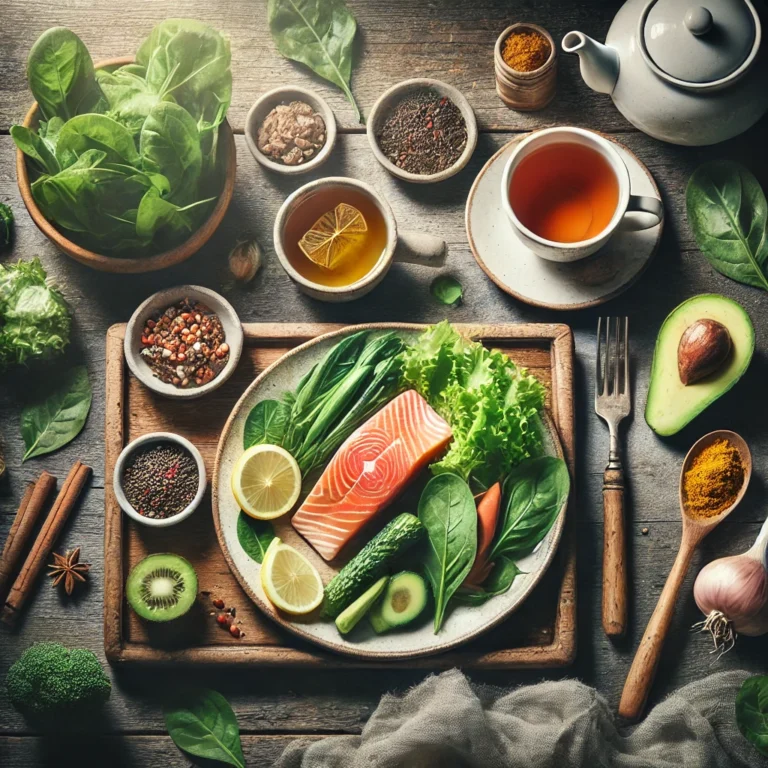
Crohn’s can affect nutrient absorption, so think beyond calories. Prioritise nutrient-dense choices such as eggs, salmon, and fortified milks and cereals. Oily fish add omega-3 fatty acids. Cooked leafy greens can boost iron and folate. Supplements may help too, especially vitamin D or targeted iron, but keep a food-first mindset and discuss any changes with your clinical team.
Why Smaller Meals Work Better With Crohn’s
Big meals can overwhelm a sensitive digestive system. Try small frequent meals, five or six snack-sized portions across the day. Many people find small meals for Crohn’s disease reduce cramps, urgency, and fatigue. It is a simple tweak that often pays off.
Make Your Plan Stick In Real Life
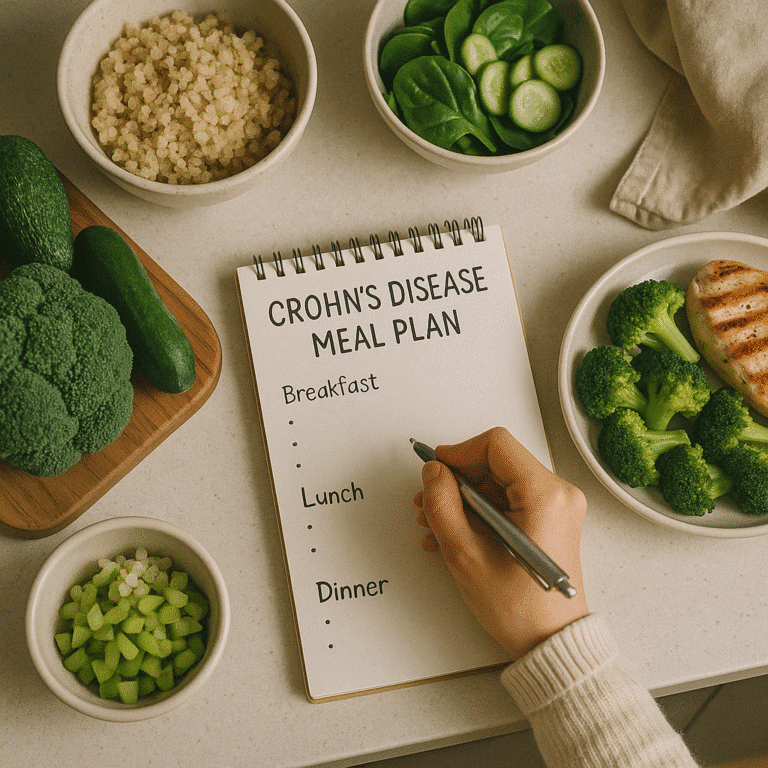
Real success is less about willpower, more about set-up. Treat your Crohn’s disease meal plan like a routine, not a strict rulebook. Prep a few basics on calmer days. Use If-Then prompts, for example, If I am hungry late at night, then I will eat my safe prepped oats. Put gut-friendly foods at eye level in the fridge, and store trigger foods out of sight. We tend to eat what is easiest, so make the easy option the kind one.
7 Day Meal Plan For Crohn’s Disease Ideas
Here is a gentle weekly rotation to spark ideas. Mix and match based on your own tolerances and energy levels.
- Day 1 Poached eggs on white toast, chicken and white rice soup, mashed sweet potato with baked cod.
- Day 2 Overnight oats with banana, turkey and courgette risotto, soft salmon with potatoes and carrots.
- Day 3 Rice flakes cereal with lactose-free options, mild chicken noodle soup, cottage pie made with lean mince and smooth mash.
- Day 4 Smooth yoghurt alternative with stewed apples, tuna and rice bowl with olive oil, slow-cooked chicken and soft-cooked vegetables.
- Day 5 Ripe banana and peanut butter on white toast, omelette with finely chopped spinach, white pasta with creamy lactose-free sauce.
- Day 6 Porridge if tolerated, gluten-free alternatives for sandwiches with lean ham, baked potato with soft beans and grated cheese or lactose-free cheese.
- Day 7 Rice pudding made with fortified milk, mild fish pie with soft peas, chicken and carrot stew with white bread.
This is a starting point for a 7 day meal plan for Crohn’s disease. Adjust portions, swap in your favourites, and keep notes in your food diary.
Crohn’s Disease Meal Prep That Saves Time And Reduces Stress
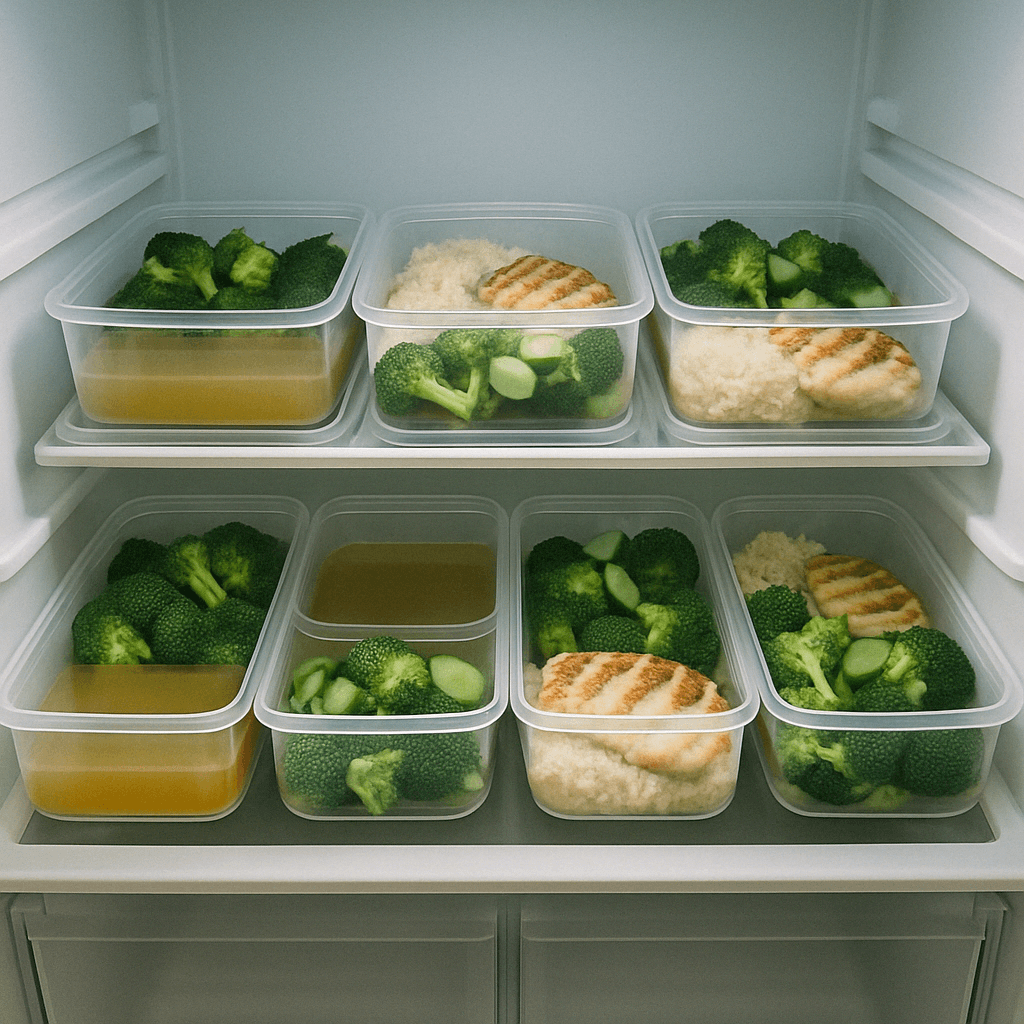
Cook once, eat smart. Plan simple Crohn’s disease meal prep on a set day. Focus on batch cooking easy options like baked chicken, white rice, mild soups, and stewed fruit. Portion into small containers so you are always one reheating away from meals for Crohn’s disease that feel safe. For gentle inspiration, see our Crohn’s disease recipes.
What To Eat And Avoid During A Flare-Up
During a flare, switch to a low fibre diet for Crohn’s disease. Choose bland, soft foods such as boiled potatoes, plain toast, applesauce, white rice, and smooth soups. Avoid greasy meals, raw veg, tough skins, and anything very spicy. Think temporary triage, then gradually reintroduce variety as things settle.
Anti-Inflammatory Diet For Crohn’s Disease Basics
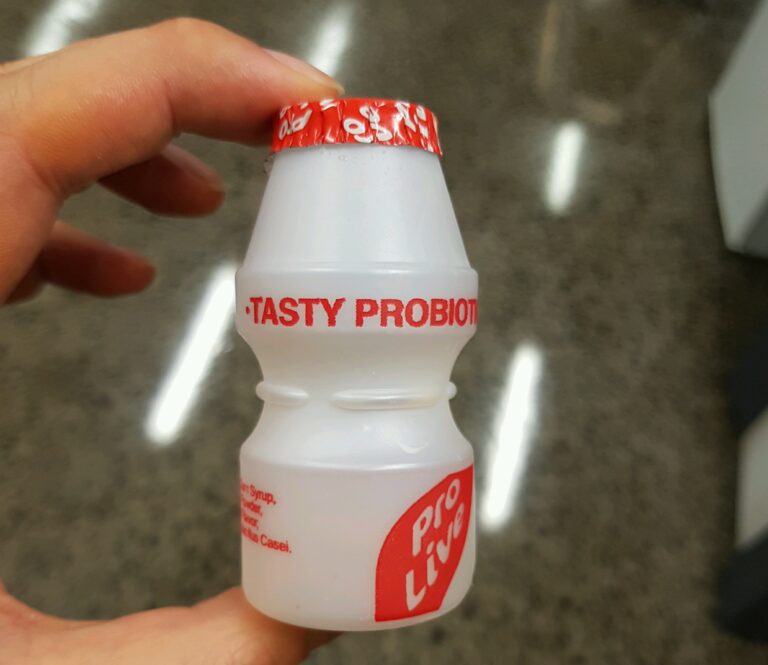
Some people feel better with an anti-inflammatory diet for Crohn’s disease. Practical swaps include olive oil for frying, oily fish for omega-3 fatty acids, herbs instead of hot spices, and cooked veg over raw salads. If you want to try probiotic supplements, introduce one change at a time and monitor your symptoms.
The Link Between Food And Mood
Stress changes how we eat and how we digest. Eating on the run or skipping meals can backfire. Slow down when you can, sit to eat, and use simple digestive health tips like sipping fluids between meals rather than with them. If anxiety around food is high, ask your team about extra support.
Track What Works So You Can Build On It
Your best coach is your own data. Keep that food diary, note sleep, stress, and activity, and look for patterns. Over time you will build a diet plan for Crohn’s disease that actually fits your life, including safe snacks and reliable standbys.
Putting It All Together
A steady Crohn’s diet plan is less about doing everything and more about doing a few helpful things most days. Keep the foods that love you back, use small meals for Crohn’s disease when needed, lean on prep, and be kind to yourself on the messy days too.
Common Questions About Crohn’s Disease Meal Plans
The best plan is personal. Focus on gut-friendly foods, small frequent meals, and track your triggers over time.
Common culprits are spicy foods, raw veg, fried foods, and very high fibre items. Your list may differ, so test changes slowly.
Soft, bland, low fibre foods like white rice, bananas, and smooth soups. Use it short term, then reintroduce variety with advice.
Diet cannot cure Crohn’s, but it can ease symptoms and support periods of calm. Work with your clinical team.
Batch cook gentle meals, portion small, and freeze. Keep safe snacks ready for busy days.
Some people find them helpful. Start low, make one change at a time, and discuss with your doctor.
Remember This blog post is intended for informational purposes only and should not be construed as medical advice. Always consult with your doctor to discuss your individual situation and determine the best course of treatment for you. Do not start or stop medications without speaking to a doctor. Do not change your diet without speaking to your doctor or a healthcare professional.