

Life with Crohn’s can feel like eating with a manual that keeps changing. A thoughtfully planned Crohn’s disease diet will not cure inflammatory bowel disease, yet it can steady the day to day. Small, sustainable food tweaks often beat grand overhauls, especially when energy is limited and flare-up triggers are unclear. Think less perfection, more pattern spotting, and meals that are kind to your gut and your schedule.
Crohn’s disease diet what you need to know
Crohn’s disease causes inflammation in the digestive system, which can bring abdominal pain, bowel changes, fatigue and nutrient gaps. Medication remains the backbone of treatment, and food choices can support digestive health and comfort. There is no single best diet for Crohn’s disease, so aim for a personal mix of nutrient-rich foods, gentle cooking methods and steady hydration that suits your body.

What to eat and what to avoid
Use your symptoms and energy as a guide. During calmer phases, many people tolerate a wider range of foods. During a flare, simple meals and softer textures can reduce irritation. If you need ideas, explore our Crohn’s disease recipes for practical, gut-friendly options.
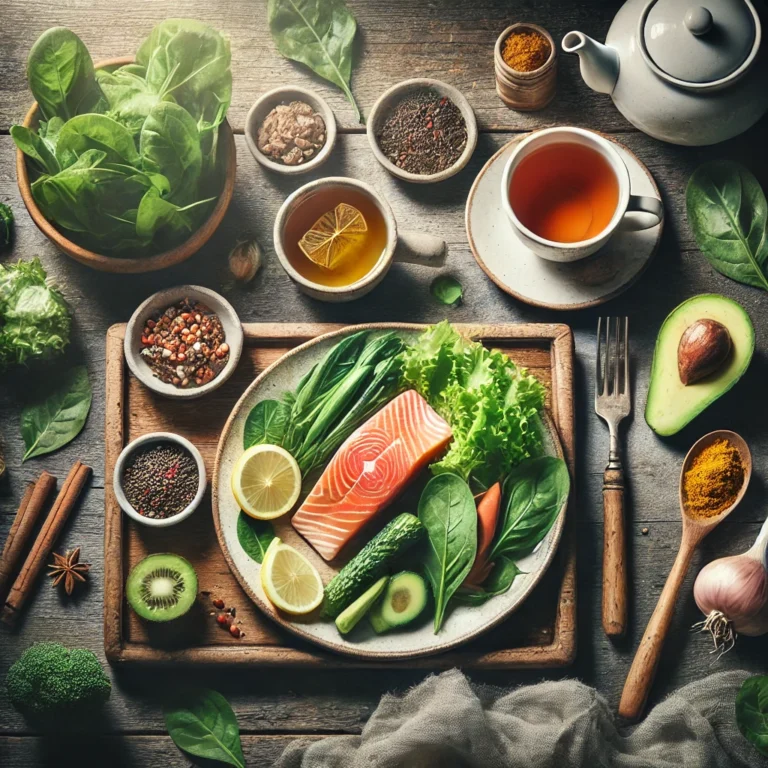
Foods to eat with Crohn’s disease
- Lean proteins such as chicken, fish, eggs and tofu.
- Cooked vegetables without skins, for example carrots, courgettes and squash.
- Peeled or stewed fruit, like bananas or stewed apples.
- Gentle carbohydrates such as oats, rice, potatoes, sourdough and some whole grains as tolerated.
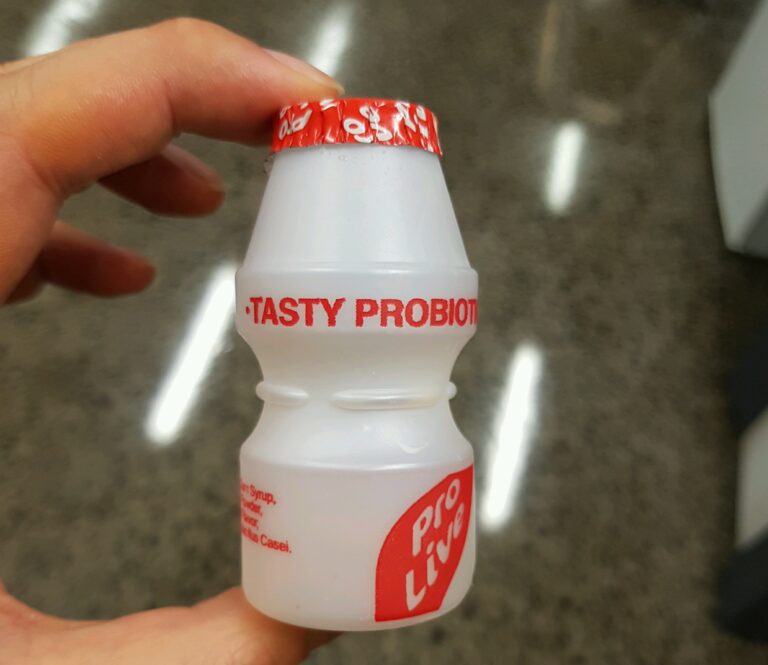
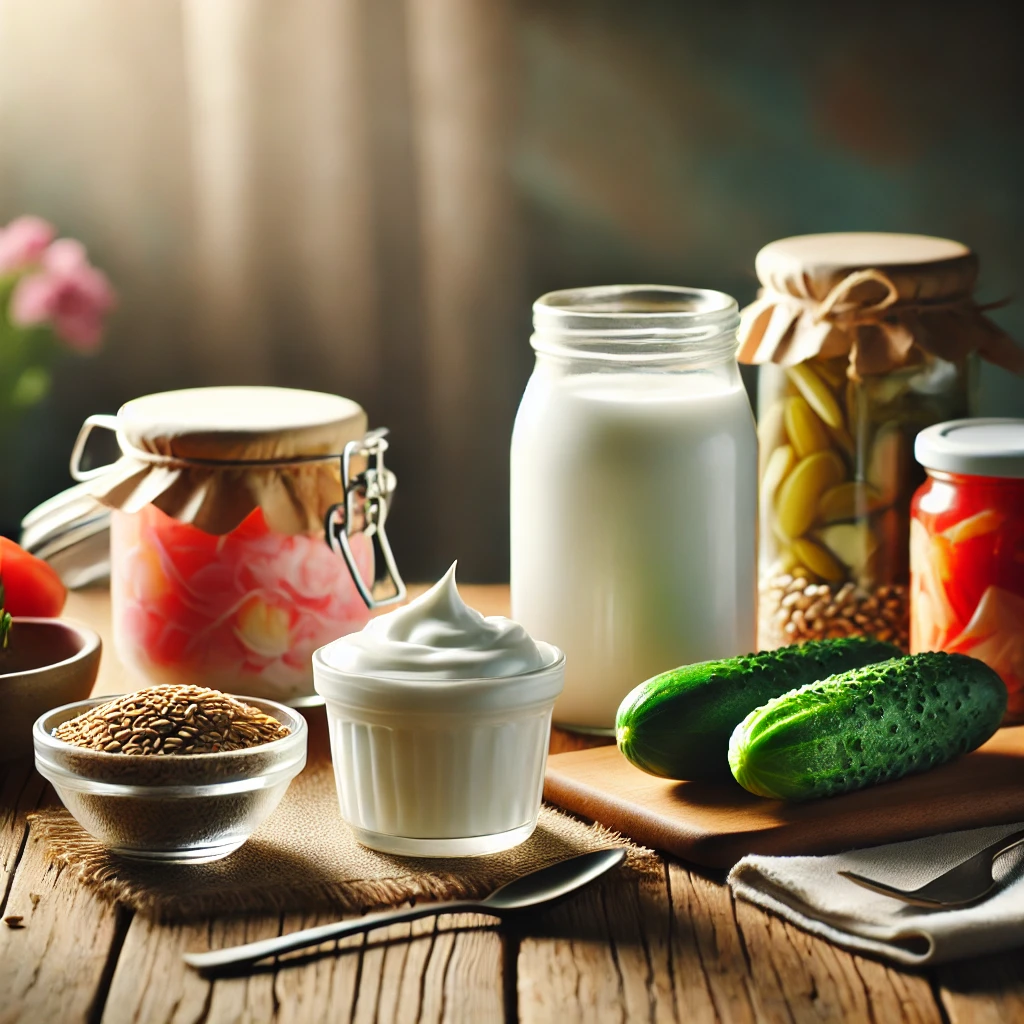
- Live yoghurt, kefir and fermented vegetables if tolerated, to support gut microbiome balance.
- Healthy fats from olive oil, avocado and nut butters in small amounts.
Foods to avoid with Crohn’s disease
- Highly processed foods, excessive sugar and alcohol, which many people find aggravating.
- Very spicy, very greasy or deep fried foods.
- During a flare, rough fibrous foods such as popcorn, seeds, nut shards and fruit or veg skins.
- Artificial sweeteners like sorbitol or xylitol if they upset your gut.
If symptoms spike, some people use a low-residue diet for Crohn’s disease short term, focusing on lower fibre intake to rest the bowel. Use this only with clinical advice, then reintroduce fibre gradually when settled.
Anti-inflammatory spices for Crohn’s disease
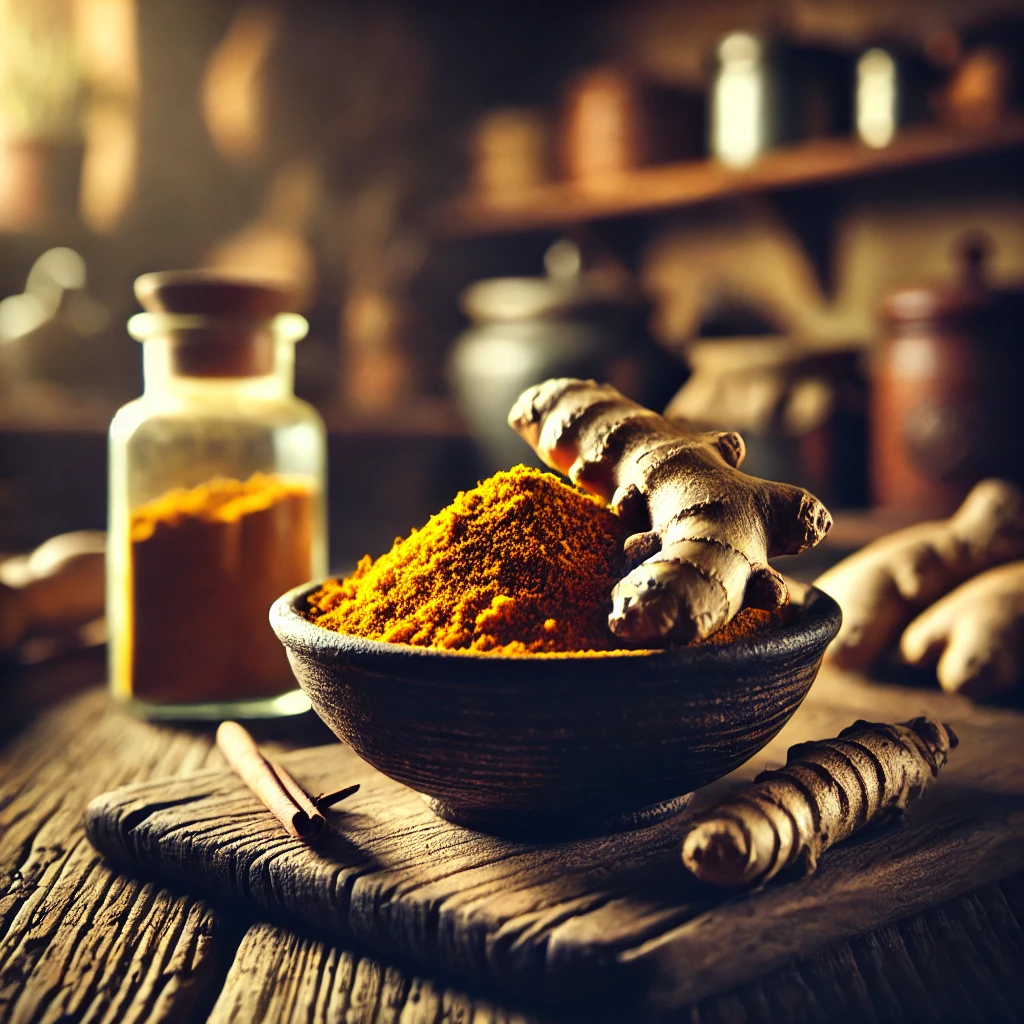
Big changes are hard on low energy days, so think flavour first. Turmeric for Crohn’s disease and ginger for Crohn’s disease are simple kitchen wins that fit an anti-inflammatory diet for Crohn’s disease. Add turmeric to soups or eggs with a pinch of black pepper. Sip fresh ginger tea or grate ginger into stir-fries. These are not magic bullets, yet many people find them comforting and easy to keep up.
Probiotics and your gut microbiome
Probiotics for Crohn’s disease are a mixed picture in the research, yet some people notice calmer digestion with live yoghurt, kefir or fermented vegetables. Introduce one food at a time, start with small portions and track your response. What supports your gut microbiome balance may differ from someone else’s, which is normal.
Build a personalised Crohn’s disease meal plan
Your symptoms, preferences and energy levels should shape a personalised Crohn’s disease diet. Simple tactics help:
- Keep a food and symptom diary for two weeks to spot trigger foods and better days.
- Plan gentle meals on busy days and try new foods when your gut is calmer.
- Cook soft, moist dishes such as soups, stews and slow-cooked meats for easier digestion.
- Spread fibre intake through the day rather than in one large meal.
- Prioritise hydration, especially in warm weather or during a flare.
If you like structure, try a Crohn’s disease meal plan for a week. Include lean proteins, gentle carbohydrates, and small portions of cooked veg. Adjust as you learn. If you are unsure how to manage Crohn’s disease day to day, ask your GP, IBD nurse or a registered dietitian for tailored support.
Can you enjoy desserts with Crohn’s disease
Yes. Go for modest portions, and think about what sits well with you. Fruit-based desserts, dairy free ice cream, small squares of dark chocolate or yoghurt with stewed fruit are common picks. Keep an eye on lactose, cream and artificial sweeteners if they bother you, then enjoy the treat without side order guilt.
Remember, food is one lever you can pull alongside medical care. Kindness to yourself counts too, because consistency beats perfection every time.
Medical disclaimer This blog post is intended for informational purposes only and should not be construed as medical advice. Always consult your doctor or a qualified healthcare professional about your individual situation and the best course of treatment for you. Do not start or stop medications without speaking to a doctor. Do not change your diet without speaking to your doctor or a healthcare professional.
Yes, in small portions that suit you. Fruit-based options or yoghurt with stewed fruit are gentler for many people.
Lean proteins, cooked veg without skins, rice, oats and ripe bananas often sit well. Add live yoghurt, kefir or fermented vegetables if tolerated.
Many people limit highly processed foods, alcohol and very greasy meals. During flares, avoid rough skins, nuts, seeds and popcorn.
Some people find them helpful. Try small amounts of live yoghurt, kefir or fermented vegetables and track your response.
Some principles can help, like oily fish and spices such as turmeric and ginger. There is no single Crohn's disease diet for everyone.
It reduces fibre to rest the bowel during flares. Use short term with clinical advice, then reintroduce foods gradually.