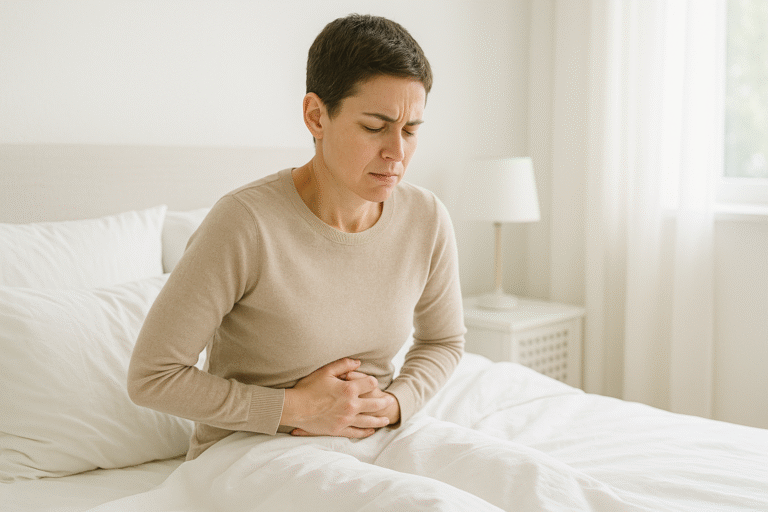

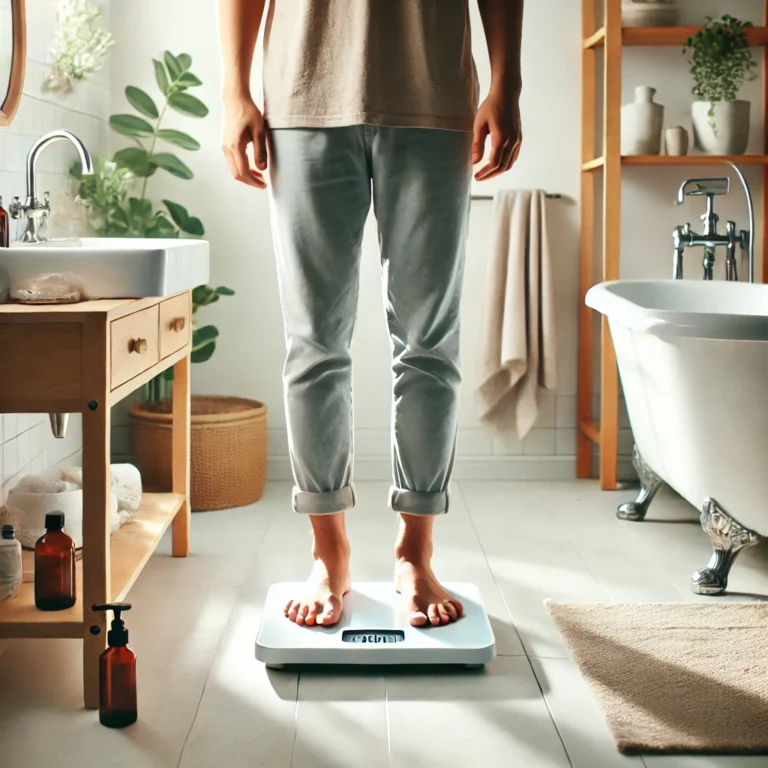
Crohn’s can surprise you in all the wrong ways. Crohn’s disease weight gain might be the most confusing of them, especially if you expected weight loss. Clothes feel tighter, the scales creep up, and you have no idea what changed. You are not broken, and you are not alone. We will explain why it happens and share practical ways to manage it without poking the bear that is your gut.
You might be asking, why am I gaining weight with Crohn’s disease when flares once sent the numbers the other way? So does Crohn’s disease cause weight gain? Sometimes, yes, and there are several reasons. The good news is there are small, steady changes that can help.
Remember This blog post is intended for informational purposes only and should not be construed as medical advice. Always consult your doctor to discuss your individual situation and determine the best course of treatment for you. Do not start or stop medications without speaking to a doctor. Do not change your diet without speaking to your doctor or a healthcare professional.
Crohn’s disease weight gain explained
Let’s drop the blame. When Crohn’s disease and weight gain collide, there is usually a mix of medical and everyday factors at play.
- Steroids and appetite Medicines like prednisone can boost hunger, alter where your body stores fat, and cause water retention. This is classic steroid-induced weight gain in Crohn’s disease.
- Remission and absorption When inflammation settles, your gut absorbs nutrients better. If you keep eating as you did in a flare, weight gain during remission can follow.
- Fatigue and pain Deep tiredness and soreness reduce movement, so you burn fewer calories without doing anything “wrong”.
- Comfort eating Stress makes quick, soothing foods appealing. Cortisol and weight gain also tend to hold hands.
- Constipation and scales Crohn’s constipation and weight gain can go together through stool build-up and water retention and swelling.
- Hormones For some women, periods, contraception changes or perimenopause can shift appetite and fluid, so weight and bloating vary. In Crohn’s disease symptoms in females, weight gain can ebb and flow with the cycle.
Sound familiar? Your body is reacting to illness, medicines and stress, not failing a test.
Is it weight gain or bloating with Crohn’s disease
Bloating can mimic fat gain, and it is common in Crohn’s. Telling them apart helps you choose what to change.

Quick pointers
- Bloating A tight, uncomfortable fullness, often with visible swelling. It can swing day to day and after meals.
- Weight gain A steadier climb on the scales, not usually painful or tight in the same way.
Typical bloating triggers in Crohn’s include
- Trigger foods Beans, dairy, or high fibre vegetables are common, though yours may differ. Identify trigger foods with simple notes.
- Steroids and salt These can pull in extra fluid and add to swelling.
- Gut imbalance Changes in the microbiome can drive more gas and bloating.
Keeping a food diary, even for two weeks, can highlight patterns your memory edits out. If the belly looks bigger by evening then settles by morning, that points to bloating more than body fat.

Inflammation and weight gain in Crohn’s disease
Crohn’s is a whole-body condition. Inflammation reshapes metabolism in ways that nudge the scales.
- Creeping fat Extra fat can wrap around inflamed intestines, a sign your body is trying to shield itself. Creeping fat around the intestines may add to weight and bloating.
- Stress signals Inflammation raises cortisol, and cortisol and weight gain are frequent companions.
- Metabolic changes Long-standing inflammation can slow how your body uses and stores energy.
It is frustrating, yet it is also your body’s attempt to protect and heal.
Why losing weight with Crohn’s can be harder
Traditional weight loss advice can backfire when your gut is sensitive and energy varies.
- Nutrition is non negotiable Extreme dieting risks flares, deficiencies and fatigue.
- Energy limits are real Some days, a short walk is a win, never mind a workout.
- Flares happen Symptoms can disrupt routines just as you find a groove.
How to manage weight gain with Crohn’s disease
This is not about punishment, it is about small, sustainable steps that respect gut health.
- Work with your team A dietitian familiar with IBD can tailor portions, textures and timing to your symptoms and goals.
- Build a gentle plate Lean proteins, cooked vegetables and lower fibre carbs, like rice or potatoes, are often easier to tolerate.
- Portion and pace Smaller, regular meals help when appetite is up from steroids.
- Move kindly Short walks, gentle yoga or stretching count. Consistency beats intensity.
- Hydrate Thirst often masquerades as hunger, and fluids support digestion and reduce water retention and swelling.
- Mind the meds If cravings surged after starting steroids, ask your clinician about a plan to taper safely when appropriate. Avoid stopping on your own.
- Focus on patterns Keep a food diary and sleep notes for two weeks, then adjust one thing at a time.
If you prefer straight answers, here is the short version. Bloating and weight gain in Crohn’s disease can come from inflammation-related weight gain in Crohn’s disease, steroid-induced weight gain in Crohn’s disease, constipation, hormones and everyday stress. Adjust what you can control, then ask for help with the rest.
FAQs about Crohn’s and weight gain
Yes, it can. Medicines, inflammation and remission-related changes can all nudge weight up.
Bloating swings through the day and feels tight. Weight gain is steadier and less uncomfortable.
Steroids, improved absorption in remission, fatigue and stress eating are common reasons.
Often, yes. They can raise appetite and fluid retention. Speak to your IBD team about options.
Prioritise gentle activity, portion awareness and gut friendly foods. A dietitian can tailor a plan.
If weight shifts quickly, you start steroids, or symptoms change, contact your clinician.
Final thoughts
Weight changes with Crohn’s are complex, not a character flaw. If you focus on steady habits, you will make progress even when symptoms ebb and flow.
Start small. Keep what works, drop what does not, and be kind to yourself on rough days. You might also explore some Crohn’s diet recipes for ideas that fit your symptoms. For more advice and support, visit Crohn’s & Colitis UK.
Key phrases you may spot in this guide include weight gain with Crohn’s disease, gaining weight with Crohn’s disease, manage Crohn’s disease weight gain, bloating and weight gain in Crohn’s disease, inflammation-related weight gain in Crohn’s disease, and identify trigger foods. Crohn’s disease{[1]}weight gain matters, and you deserve thoughtful, practical help.