

If you live with Crohn’s, the low FODMAP diet for Crohn’s disease can feel like a lifeline when bloating, gas, and diarrhoea keep derailing plans. Symptoms can be relentless, and the trial and error gets old fast. The good news, some people do find calmer days and fewer bathroom dashes with a low FODMAP approach, used in the right way and at the right time.
Remember, this blog post is intended for informational purposes only and should not be construed as medical advice. Always consult with your doctor to discuss your individual situation and determine the best course of treatment for you. Do not start or stop medications without speaking to a doctor. Do not change your diet without speaking to your doctor or a healthcare professional.
Living with Crohn’s disease is often a careful balancing act. Many people, like me, find that trimming back obvious high FODMAP triggers helps day to day, even without going all in. Understanding your own responses beats guessing. Still, is a full low FODMAP programme right for everyone, all the time? Let’s look at when it helps, when it does not, and how to use it without losing your mind or your menu.
Low FODMAP diet for Crohn’s disease explained
Crohn’s disease is an inflammatory bowel disease (IBD) characterised by chronic inflammation of the digestive tract. This inflammation can cause a range of unpleasant symptoms, including abdominal pain, diarrhoea, urgency, and malnutrition1. While the exact cause of Crohn’s disease remains unknown, research suggests a combination of genetic and environmental factors, making management crucial for patients considering a low FODMAP diet.2.
There is no single Crohn’s diet that suits everyone. The FODMAP diet and Crohn’s disease often get mentioned together because FODMAPs are fermentable carbohydrates that can pull water into the gut and feed gas production. The low FODMAP diet offers a potential solution by focusing on fermentable oligosaccharides, disaccharides, monosaccharides, and polyols (FODMAPs) – a group of short-chain carbohydrates that can be poorly absorbed in the small intestine3 . This poor absorption can lead to bloating, gas, and other digestive issues in some individuals, potentially worsening symptoms in those with Crohn’s.
Plant-based low FODMAP options for Crohn’s
Plenty of plant foods are high in FODMAPs, which can make people wary of veggies and fruit. That said, you can still eat a colourful plate while keeping FODMAPs modest. There’s some evidence suggesting a plant-based diet may be helpful during remission periods. Studies show that a diet rich in fruits, vegetables, and whole grains can promote gut health and potentially reduce inflammation4. However, it’s crucial to note that some plant-based foods are high in FODMAPs, which could exacerbate symptoms during flare-ups.
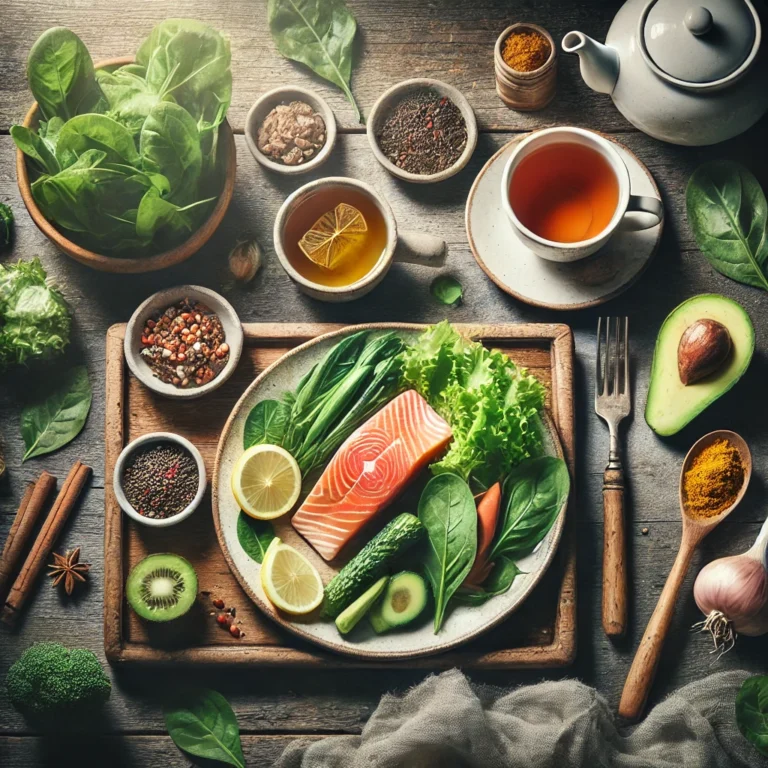
Focus on low-FODMAP plant choices such as spinach, carrots, firm bananas in small portions, blueberries, tomatoes, courgettes, and gluten-free grains like rice, quinoa, and oats. Use garlic-infused oil for flavour, and keep portions modest until you know your limits.
Low FODMAP foods for Crohn’s
- Lean proteins such as chicken, fish, eggs, and firm tofu
- Low-FODMAP veg including spinach, carrots, aubergine, courgette
- Low-FODMAP fruit in small serves such as blueberries, oranges, kiwi
- Gluten-free grains like rice, quinoa, oats
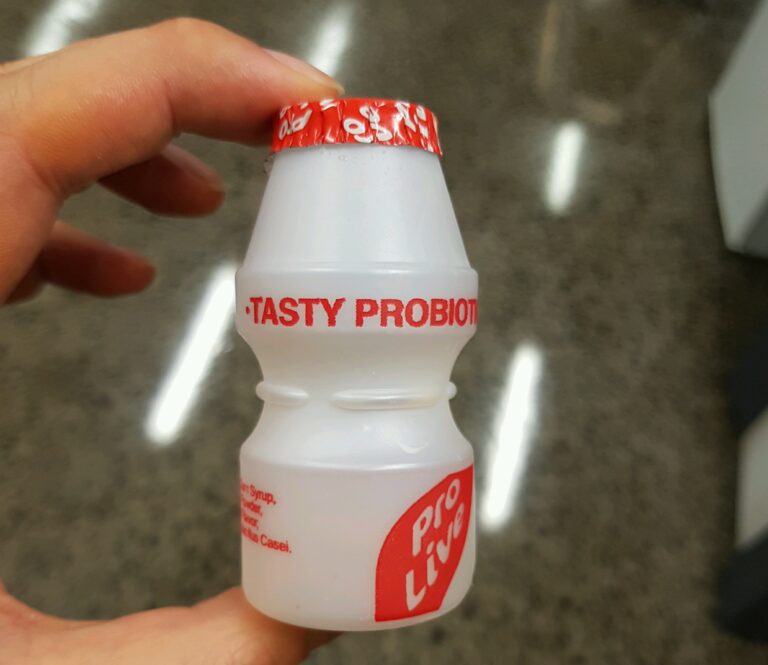
- Lactose-free yoghurt and hard cheeses
High FODMAP foods to avoid with Crohn’s
- Onions and garlic, apples and pears
- Wheat-based bread and pasta
- Legumes such as lentils and chickpeas
- Large serves of watermelon, mango, and stone fruit
For quick reference, see our short FODMAP guide for Crohn’s patients further below, plus ideas for a low FODMAP meal plan you can personalise with a dietitian.
Weight and nutrition on low FODMAP
Weight shifts are common with Crohn’s, and cutting lots of foods can make that tougher. Weight loss is a common concern for Crohn’s patients, particularly during flare-ups when dietary restrictions and reduced appetite can lead to malnutrition. Some studies suggest that the low FODMAP diet may unintentionally lead to weight loss due to the elimination of certain high-calorie FODMAP-rich foods5. However, this weight loss may not be sustainable or healthy in the long run.
A smart low FODMAP routine still packs in protein, fibre, and micronutrients from safe foods. Think fish with rice and carrots, oats with lactose-free milk and blueberries, baked potatoes with cheddar and chives. A registered dietitian can sketch a low FODMAP meal plan that fits your goals and flags any gaps before they become a problem.
Does a low FODMAP plan calm inflammation
It is tempting to view any symptom relief as anti-inflammatory, but this diet mainly reduces fermentable carbs rather than tackling immune activity directly. Unveiling the Diet’s Anti-Inflammatory Properties: Assessing whether the low FODMAP diet can help reduce inflammation associated with Crohn’s disease.
Crohn’s disease is an autoimmune condition, meaning the body’s immune system mistakenly attacks healthy tissues in the digestive tract. While the low FODMAP diet doesn’t directly target this underlying inflammation, some potential benefits may contribute to symptom relief:
- Reduced Gut Irritation: By limiting FODMAPs, which can ferment in the gut and cause bloating and gas, the low FODMAP diet may lead to a calmer digestive environment. This could potentially reduce overall discomfort and improve gut health6.
- Improved Nutrient Absorption: Reduced gut irritation may also enhance the absorption of essential nutrients. This is crucial for Crohn’s patients, who are at risk for malnutrition due to inflammation and dietary restrictions7.
However, it’s important to note that current research doesn’t definitively show that the low FODMAP diet directly reduces inflammation in Crohn’s disease.
Autoimmune questions and the microbiome
Symptoms are tied to immune activity and also the microbes living in the gut. While the low FODMAP diet doesn’t address the root cause of Crohn’s disease (autoimmune dysfunction), it may offer some relief from symptoms associated with inflammation. Here’s why:
- Gut Microbiome and Inflammation: Research suggests a connection between the gut microbiome (the community of bacteria in your gut) and autoimmune diseases like Crohn’s8. The low FODMAP diet can potentially influence the gut microbiome by promoting the growth of beneficial bacteria that may help regulate the immune system9.
More research is needed to fully understand the interplay between the low FODMAP diet, the gut microbiome, and autoimmune conditions like Crohn’s. However, initial studies suggest a potential link between dietary modifications and managing symptoms associated with inflammation.
Everyday strategies during flares
Food choices help, though life admin matters too. Small habits can soften edges of a flare and give medication a steadier platform to work.
- Stress Management: Stress can be a trigger for Crohn’s symptoms. Techniques like yoga, meditation, and deep breathing can help manage stress and potentially reduce flare-up frequency10.
- Regular Exercise: While exercise may seem counterintuitive during a flare-up, gentle physical activity can improve gut motility and overall well-being in the long run11. Consult your healthcare professional before starting any new exercise program.
- Hydration: Staying hydrated is crucial for maintaining overall health and digestive function. Aim to drink plenty of water throughout the day, especially during flare-ups when dehydration is a risk12.
These are general suggestions. Your best plan is personal, and your healthcare team can help you shape it.
Understanding low FODMAP challenges
No diet is magic. If your gut is already irritable, even small changes can make noise at first. The low FODMAP diet isn’t a magic bullet, and it may not work for everyone with Crohn’s disease. Here are some reasons why some individuals might experience worsening symptoms:
- Underlying Food Intolerances: While the low FODMAP diet addresses a specific group of carbohydrates, it’s possible to have intolerances to other food components like lactose, gluten, or certain fruits and vegetables. Identifying and eliminating these additional triggers can significantly improve symptoms13.
- Reintroduction Challenges: The low FODMAP diet involves a structured elimination and reintroduction phase. Some individuals might experience discomfort during the reintroduction phase as they trial different foods. Working with a dietitian can help navigate this process and minimise any negative reactions14.
If you feel worse on low FODMAP, pause and speak to your IBD team or a registered dietitian. There are always adjustments to try.
FODMAP guide for Crohn’s patients
Deciphering the FODMAP Content of Foods: Identifying surprising sources of high and low FODMAP ingredients to aid in meal planning.
The FODMAP content of foods can be surprising. Here are some examples:
- Low-FODMAP: Spinach, carrots, quinoa, chicken, salmon, lactose-free yogurt.
- High-FODMAP: Apples, pears, onions, garlic, wheat-based products, legumes like lentils and chickpeas (except for green beans and peas).
There are many resources available online and through registered dieticians to help you navigate the complexities of FODMAP.
- FODMAP Apps and Resources: Several smartphone applications and online resources can help you identify the FODMAP content of different foods. These tools can be invaluable for meal planning and navigating the low-FODMAP world15.
Long term thinking with diet
Low FODMAP is designed as a short elimination, then reintroduction, then personalisation. Living there forever can shrink variety, fibre, and pleasure. The low FODMAP diet is designed as an elimination phase followed by a reintroduction phase. While some individuals may find long-term adherence to a low-FODMAP diet beneficial, it’s not always necessary or sustainable. Here’s why:
- Nutrient Limitations: A strict low-FODMAP diet can limit your intake of certain fruits, vegetables, and legumes, which are important sources of essential vitamins, minerals, and fibre16 . Over time, this could lead to nutrient deficiencies.
Other approaches your team may consider
- Elemental Diet: This short-term, medically supervised diet involves consuming a liquid formula to allow the digestive tract to rest and heal17. It’s typically used during severe flare-ups and not intended for long-term use.
- Specific Carbohydrate Diet (SCD): This diet focuses on easily digestible carbohydrates and eliminates grains, certain fruits and vegetables, and lactose18. While research on the SCD for Crohn’s is limited, some patients find it beneficial.
Always discuss options with your gastro team and a dietitian before changing diet.
Breakfast ideas that sit well
Mornings can be tricky, especially during a flare. Here are simple, low-FODMAP leaning breakfasts that many people tolerate:
- Scrambled eggs with spinach and cherry tomatoes for protein and colour
- Lactose-free porridge with blueberries plus a spoon of chia for fibre
- Yoghurt smoothie with lactose-free yoghurt, spinach, a small portion of firm banana, and protein powder
Personal tolerances vary. A dietitian can tweak portions and swaps so you get enough energy and nutrients.
What results to expect
Research on the low FODMAP diet for Crohn’s disease is ongoing, but some studies suggest it can be helpful in reducing symptoms like bloating, gas, and abdominal pain19 . A 2020 study published in the journal Gastroenterology found that a low-FODMAP diet improved symptoms in patients with Crohn’s in remission but may not be as effective during active flare-ups20.
Real life is mixed too. Some people feel markedly better, others do not notice much change. The aim is not perfection, it is finding your pattern, with professional support, and keeping enough variety to eat well long term.
Managing Crohn’s symptoms with low FODMAP
If you try this approach, set a clear start and end to the elimination phase, keep a food and symptom log, and reintroduce methodically. You can still enjoy low FODMAP recipes for Crohn’s at home, and there are ways to eat out without guessing at every bite.
Frequently asked questions about the low FODMAP diet for Crohn’s disease
It reduces fermentable carbs that can worsen bloating, gas, and diarrhoea. It helps some people during remission. It is not a cure.
You may have other intolerances or portion issues. The reintroduction phase can trigger symptoms. A dietitian can adjust the plan.
Many notice changes within two to six weeks. Keep a diary and follow the phases. Speak to your IBD team if unsure.
It is possible but harder to get right. A registered dietitian helps protect nutrition and guides reintroduction safely.
Common triggers include onions, garlic, apples, pears, wheat, and many legumes. Portion size matters. Check a trusted FODMAP app.
Firm bananas in small serves are usually fine. Plain oats are low FODMAP in moderate portions. Tolerance varies by person.
Conclusion
Low FODMAP can be a helpful tool for some, especially for gas, bloating, and urgency linked to fermentable carbs. It is not a cure, and it works best as a short, structured trial with dietitian input, not a permanent food ban. Build a plan that fits your symptoms, medication, and life. You are allowed to eat well and feel better at the same time.
This information is not a substitute for professional medical advice. Always consult with a healthcare professional or registered dietitian before making significant dietary changes, especially when dealing with a chronic condition like Crohn’s disease.
- Crohn’s Disease. National Institutes of Health: https://www.niddk.nih.gov/health-information/digestive-diseases/crohns-disease ↩︎
- Crohn’s Disease. Mayo Clinic: https://www.mayoclinic.org/diseases-conditions/crohns-disease/care-at-mayo-clinic/mac-20353314 ↩︎
- Gibson, Peter R., and Susan P. Shepherd. “Can FODMAPs contribute to irritable bowel syndrome?” National Institutes of Health: https://www.ncbi.nlm.nih.gov/pmc/articles/PMC3966170/ Postgraduate Medical Journal 86.1015 (2010): 376-385. ↩︎
- Plant-Based Diets. Harvard Health Publishing: https://www.health.harvard.edu/nutrition/plant-based-eating ↩︎
- Staudacher, Hannah M., et al. “A low FODMAP diet is associated with weight loss in subjects with irritable bowel syndrome.” National Institutes of Health: https://www.ncbi.nlm.nih.gov/pmc/articles/PMC3966170/ European journal of gastroenterology & hepatology 25.1 (2013): 100-105. ↩︎
- Bures, Jan, et al. “Functional intestinal disorders in psychosomatic medicine—current knowledge and future prospects.” Neuro Endocrinol Lett 35.1 (2014): 79-89. ↩︎
- Han, Fei, and Yanrong Xu. “Malnutrition and nutritional support in inflammatory bowel disease.” World journal of gastroenterology : WJG 20.43 (2014): 15992-16001. ↩︎
- Clemente, Juliana C., et al. “The microbiome of gut microbiota: community structure and interactions.” Journal of microbiological research 152.Pt 4 (2020): 395-400. https://www.ncbi.nlm.nih.gov/pmc/articles/PMC7023840/ ↩︎
- Gibson, Peter R., and Susan P. Shepherd. “Can FODMAPs contribute to irritable bowel syndrome?” National Institutes of Health: https://www.ncbi.nlm.nih.gov/pmc/articles/PMC3966170/ Postgraduate Medical Journal 86.1015 (2010): 376-385. ↩︎
- Boureaux, Sophie, et al. “The Efficacy of Mindfulness-Based Interventions on Stress in Inflammatory Bowel Disease: A Meta-Analysis.” Journal of clinical gastroenterology 53.8 (2019): 684-691. ↩︎
- Gibson, P. R., et al. “Exercise and dietary fibres: effects on irritable bowel syndrome.” Current gastroenterology reports 15.7 (2015): 17. ↩︎
- Mayo Clinic Staff. “Dehydration: Symptoms and causes.” Mayo Clinic. ↩︎
- Boyce, Penelope C., et al. “Diagnosis and management of lactose intolerance in adults.” Nutrition in clinical practice : official publication of the American Society for Parenteral and Enteral Nutrition 28.6 (2013): 655-660. https://pubmed.ncbi.nlm.nih.gov/24284963 ↩︎
- Gibson, Peter R., and Susan P. Shepherd. “Can FODMAPs contribute to irritable bowel syndrome?” National Institutes of Health: Postgraduate Medical Journal 86.1015 (2010): 376-385. ↩︎
- Monash University. “FODMAP Diet Resources.” ↩︎
- Gibson, Peter R., and Susan P. Shepherd. “Can FODMAPs contribute to irritable bowel syndrome?” National Institutes of Health: https://www.ncbi.nlm.nih.gov/pmc/articles/PMC3966170/ Postgraduate Medical Journal 86.1015 (2010): 376-385. ↩︎
- American College of Gastroenterology. “Elemental Diet.” ↩︎
- Crohn’s & Colitis Foundation. “Specific Carbohydrate Diet (SCD).” ↩︎
- Bures, Jan, et al. “Functional intestinal disorders in psychosomatic medicine—current knowledge and future prospects.” Neuro Endocrinol Lett 35.1 (2014): 79-89. ↩︎
- Nicolucci, Antonio, et al. “Low-FODMAP diet for induction of remission in patients with mild-to-moderate Crohn’s disease: a randomized controlled trial.” Gastroenterology 158.3 (2020): 733-742.e2. [i ↩︎